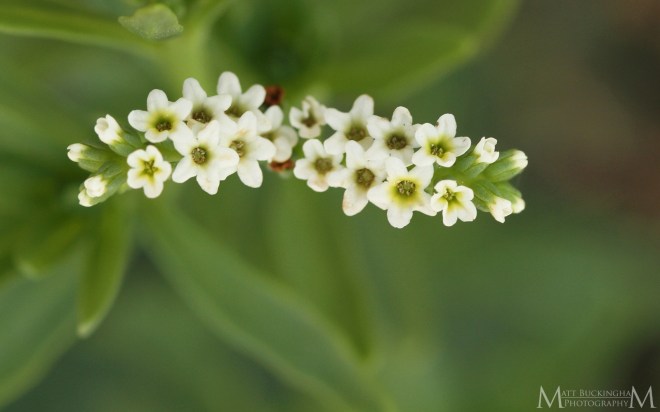
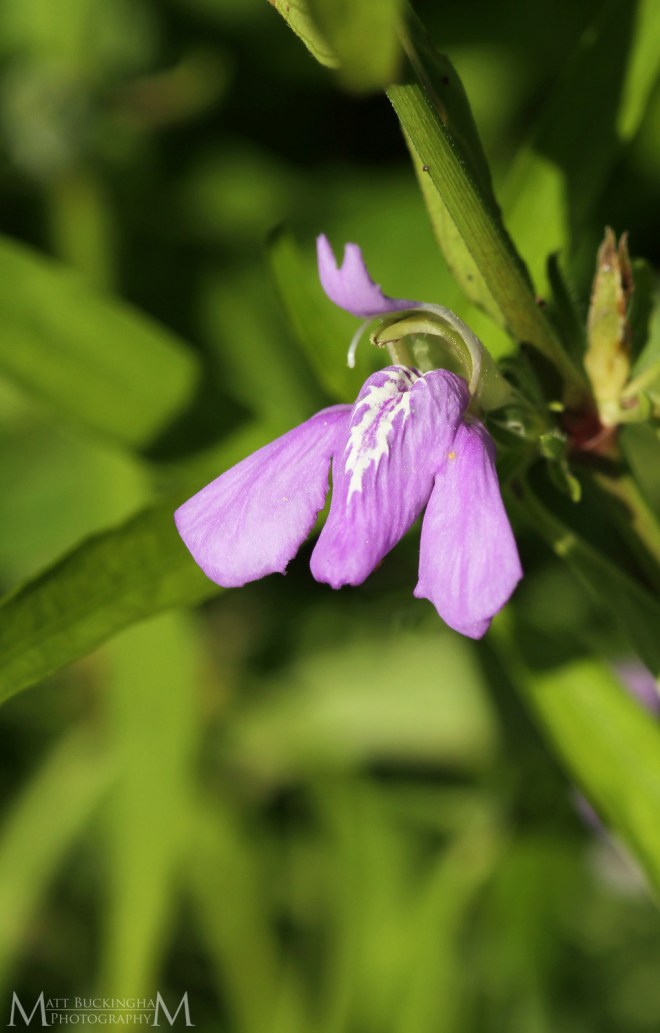
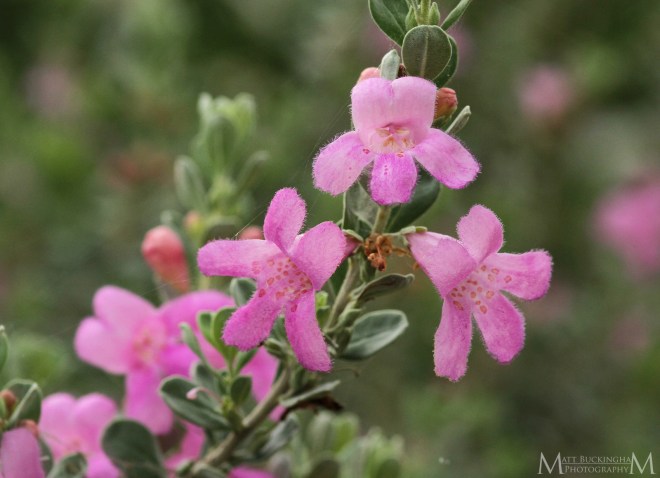
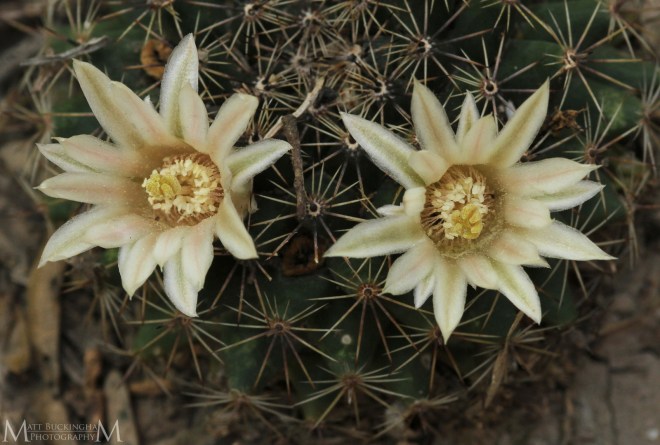
Exploring the Upper Texas Coast

Target Species: Saltmarsh False Foxglove (Agalinis maritima)
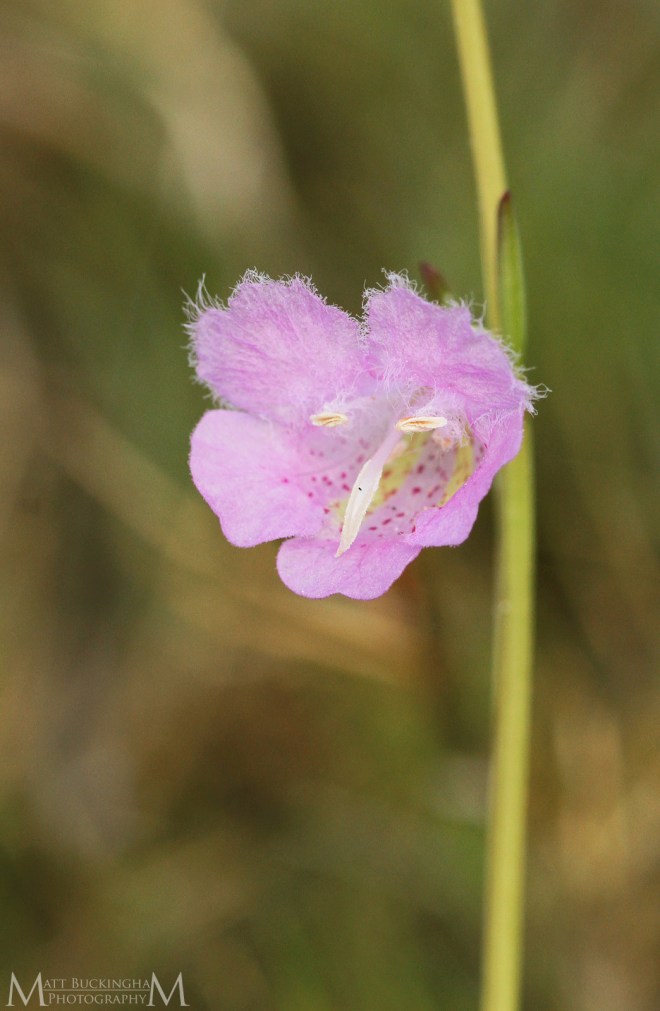
IMG_9275

Saltmarsh False Foxglove

The Upper Texas Coast is a naturalist’s paradise.  It is one of the country’s premier birding sites, and harbors an interesting flora and fauna including many species that are limited to coastlines and their associated habitats.  This region was historically largely a patchwork of coastal prairie, freshwater marsh, brackish marsh, and saltmarsh.  Trees and woody vegetation was primarily limited to larger river drainages.   Today the habitat has been heavily modified, however remnants of historic vegetation still remain.

IMG_9264

Saltmarsh False Foxglove

I had previously observed the Saltmarsh False Foxglove while passing through bands of saltmarsh leading to the beach.  For whatever reason I never stopped to photograph it, despite the fact that it was an interesting species restricted to a thin band of habitat directly adjacent to the Gulf and Atlantic coasts of North America.  Here it occurs in tidally influenced saltmarsh.

Agalinis maritima

County-level distribution of Agalinis maritima from http://www.bonap.org

This year I made a point to capture some images.  Last weekend Carolina and I took a trip to the Upper Texas Coast.  The first evening of our trip we passed through saltmarsh where I had seen it in bloom around this time last year.  I was disappointed, as I didn’t see any blooms.  I thought that I had missed my best shot at checking Agalinis maritima off my list.  The next morning, however, while revisiting the beach I saw several in bloom.  I came to the conclusion that the blooms open in the morning, and throughout the day as the relentless coastal winds hammer the marsh the blooms quickly fade and fall from the plant.  The wind made photography a challenge, but I was able to capture a few images of the Saltmarsh False Foxglove’s beautiful, bizarre-looking flower.

IMG_9284

Saltmarsh False Foxglove

There were many other showy plants blooming alongside my target.  One of the most striking was the Texas Bluebells (Eustoma exaltatum).  This is a wide-ranging species that seems to thrive in the coastal prairies and drier margins of the saltmarsh, though they can be found well inland in open habitats as far north as Wyoming and North Dakota.

IMG_9233

Texas Bluebells

The large, bright blooms of the Saltmarsh Morning Glory (Ipomoea sagittata) were also prevalent.  The blooms open in the early morning and are mostly closed by early afternoon.

IMG_9440

Saltmarsh Morning Glory

Plentiful rains prior to our visit resulted in an abundance of rainlilies (Cooperia spp.).  I was excited to discover that a few were the uncommon Traub’s Rainlily (Cooperia traubii), which is limited to a few coastal and near coastal counties in Texas and extreme northeastern Mexico.  It can be differentiated from the similar, more widespread Evening Rainlily (Cooperia drummondii) by it’s elongated style, which extends well beyond the anthers.  The style of the Evening Rainlily is either shorter than the anthers, even with the anthers, or barely longer.

IMG_9325a

Traub’s Rainlily

Cooperia traubii

County-level distribution of Cooperia traubii from http://www.bonap.org.  Yellow counties indicate that the species is present and rare.

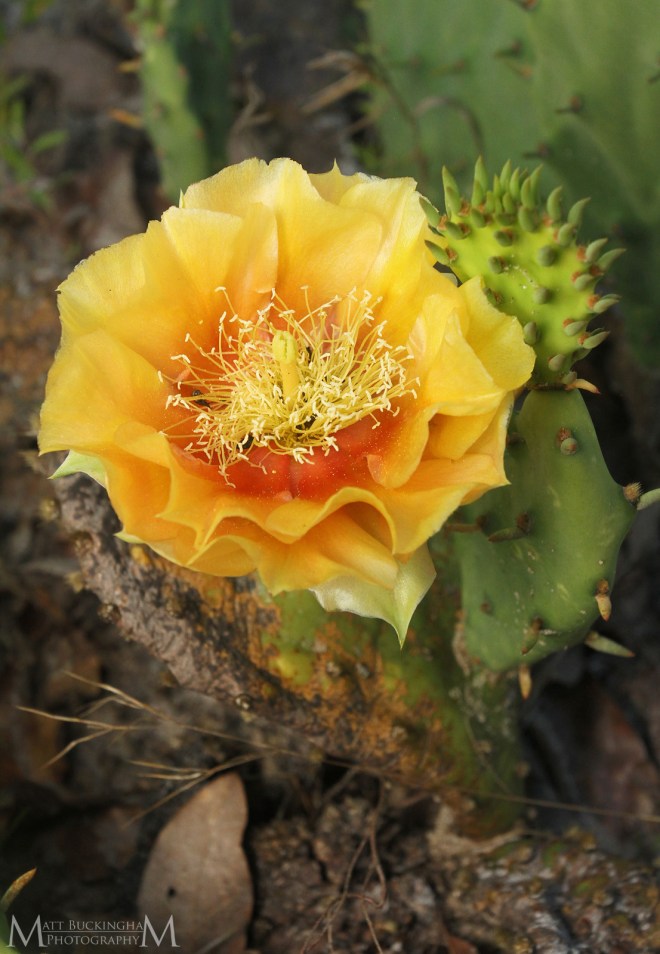
The taxonomy of prickly-pears (Opuntia spp.) is a bit of a mess.  Experts offer differing opinions of how the various species and populations should be classified.  The prickly-pears of the upper Texas Coast follow this pattern.  Two species are especially contentious.  Some experts suggest that these cacti are individuals of the more widespread Opuntia lindheimeri and Opuntia stricta, while others suggest that there are two species endemic to the Upper Texas Coast: Opuntia bentonii and Opuntia anahuacensis.  If Opuntia bentonii is a valid taxon, the image below is of this species.

IMG_9306

Opuntia sp.

Venturing less than a mile from the coast the marsh slowly transitions from salt to brackish to fresh water.  At the margins of a handful of freshwater marshes in the Upper Texas Coast a real gem of a plant can be found: the Fewflower Milkweed (Asclepias lanceolata).  The Fewflower Milkweed is a species of the coastal plain that reaches its western limit in Southeast Texas.  Here it historically occurred in wetland pine savannahs and wet coastal prairies.  Today it exists in only a handful of populations in the Big Thicket and along the Upper Texas Coast.

IMG_8654

Fewflower Milkweed

IMG_8671

Fewflower Milkweed

Blooming in profusion within the freshwater marsh were scores of Swamp Rosemallow (Hibiscus moscheutos).  The spectacular blooms of this species open fully in the early morning, and close by the afternoon.

IMG_9428

Swamp Rosemallow

Every trip to the Upper Texas Coast provides unique, memorable encounters with the natural world.  There are several other species on my list that call this region home, and with any luck I’ll return soon to seek them out.

IMG_9388

Retreating tides and advancing clouds on the Upper Texas Coast

IMG_9393

Retreating tides and advancing clouds on the Upper Texas Coast


Purple People Eater

Target Species: Purple Bladderwort (Utricularia purpurea)

IMG_7584

Purple Bladderwort

This is one I have wanted to see for a long time.  Utricularia purpurea is an aquatic, carnivorous plant that inhabits much of the Eastern United States.  It barely enters Texas in the extreme southeast portion of the state, where it is rare.  I suspect that very few people have seen the Purple Bladderwort here, as the few known populations are not particularly easy to access.  Pursuing the photographs seen here was a true adventure, and the highlight of my 2017 quest for biodiversity thus far.

IMG_7537

Purple Bladderwort

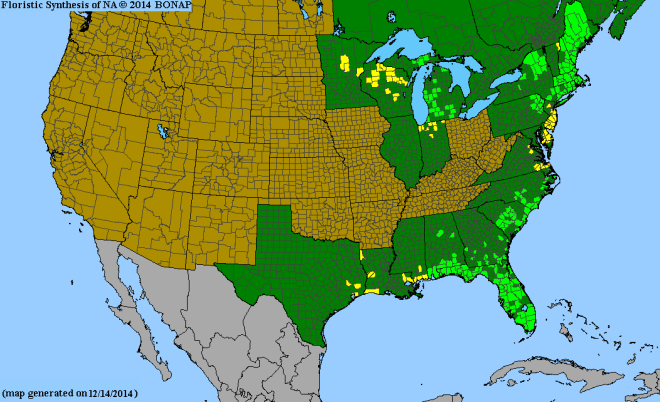
The Purple Bladderwort has a peculiar distribution, not unlike that of another species on my 2017 list, the Blue Lupine.  In the case of the bladderwort I suspect that its distribution can somewhat be explained by the presence of appropriate wetlands in the Gulf and Atlantic coastal plains, and in glacially formed depressions in the Northeast and Great Lakes regions.

Utricularia purpurea

County-level distribution of Utricularia purpurea from http://www.bonap.org.  Yellow counties indicate that the species is present but rare.

To see this rarity, I once again called on the good people of the Nature Conservancy of Texas.  Wendy Ledbetter, Forest Project Manager, told me that U. purpurea had been reported from a series of flatwood ponds on one of the properties they protect.  It was, in fact, very close to where I photographed Streptanthus hyacinthoides a few weeks ago.  She was kind enough to take time from her busy schedule to meet me one morning and show me the areas where it had been reported.  She brought me to two spectacular flatwoods ponds.  We were unsure if any of the elusive carnivores would be in bloom, but sure enough, after minimal effort I spotted one, then another, then another.

IMG_7483

Purple Bladderwort

After showing me around for a couple of hours in the morning, Wendy had to leave to tend to other engagements.  I thanked her profusely, both for her time and consideration, and for the fine work that she and her colleagues at the Nature Conservancy have done to protect so much our great state’s incredible biodiversity.  After Wendy left I returned to the ponds to try to capture some unique images of this spectacular little plant.  I was trudging through water that was mostly between 1 and 3 feet deep.  To capture some of these images I had to sit, kneel, or completely submerge myself in the water, with just my hands and camera above the surface.

IMG_7415

Purple Bladderwort

As previously mentioned, and eluded to in the title, Utricularia purpurea is a carnivorous plant.  It contains intricate leaves that float just below the water’s surface.  These leaves are loaded with small air-filled bladders that help keep the plant afloat.  Each bladder is equipped with a small, hair-like trigger. As tiny aquatic organisms swim by and brush against the trigger, the bladders instantly open, and as the water rushes in to occupy the vacant airspace, the organisms are sucked in.  The bladder then snaps shut, trapping them inside where they are slowly digested.  In the late spring through the summer the lavender flowers emerge from the depths.  U. purpurea is one of several species of Utricularia in Texas, but it is the only one with purple blooms.  The others are all yellow.

IMG_7494

Purple Bladderwort.  If you look closely you can see some of the round bladders under the water.

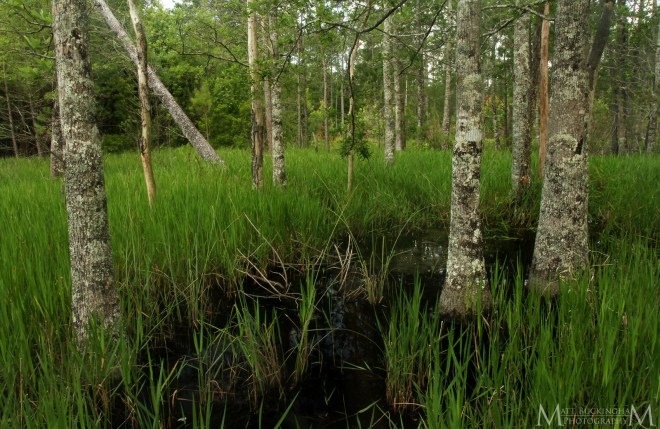
The flatwood ponds in which I photographed the Purple Bladderwort that day were the finest I have ever seen.  These unique aquatic communities occur in clay-bottomed depressions where over the millennia water and organic material have accumulated.  Historically they were dominated by a variety of grasses and sedges, kept free from woody encroachment by regular wildfires.  In the modern era of development and fire suppression, however, high quality examples have all but disappeared.  They have persisted on this Nature Conservancy property, however, as a result of their excellent stewardship which includes frequent burns that penetrate into the ponds.  Scattered trees, mostly Swamp Tupelo (Nyssa biflora) exist on the margins, but the centers of the pond are open for acres.

Unfortunately I did not take any photos looking toward the center of the ponds, however I did capture the photo below looking back to the margins.  I found U. purpurea to be most common among the grasses and trees along the ponds’ margins.

IMG_7448

Flatwoods pond margin

I spent what must have been at least 15-20 minutes lying on my belly, almost completely submerged in the water in order to get a low angle on a particularly attractive grouping of Purple Bladderworts.  After finishing I began to retrace my steps out of the pond.  As I did, I noticed something that was not there on my way in.  There was an 8-9 foot alligator laying on the bottom not 20 feet from where I was laying.  I suspect that its sudden presence was a coincidence, and that it hadn’t been slowly stalking me, but none-the-less it gave my heart a good jump.  Fortunately the water was shallow and clear, giving me a clear view of the magnificent creature, otherwise I was likely to have stepped on it.  I slowly made my way around it, and it never moved.  Though somewhat difficult to see, you can make out its head and part of its back in the photo below.

IMG_7603.jpg

American Alligator

The Purple Bladderwort shared its ponds with its cousin, the Humped Bladderwort (Utricularia gibba).  Like Utricularia purpurea, it also relies on the bladders of its submerged leaves to obtain nutrients from animal prey.

IMG_7683

Humped Bladderwort

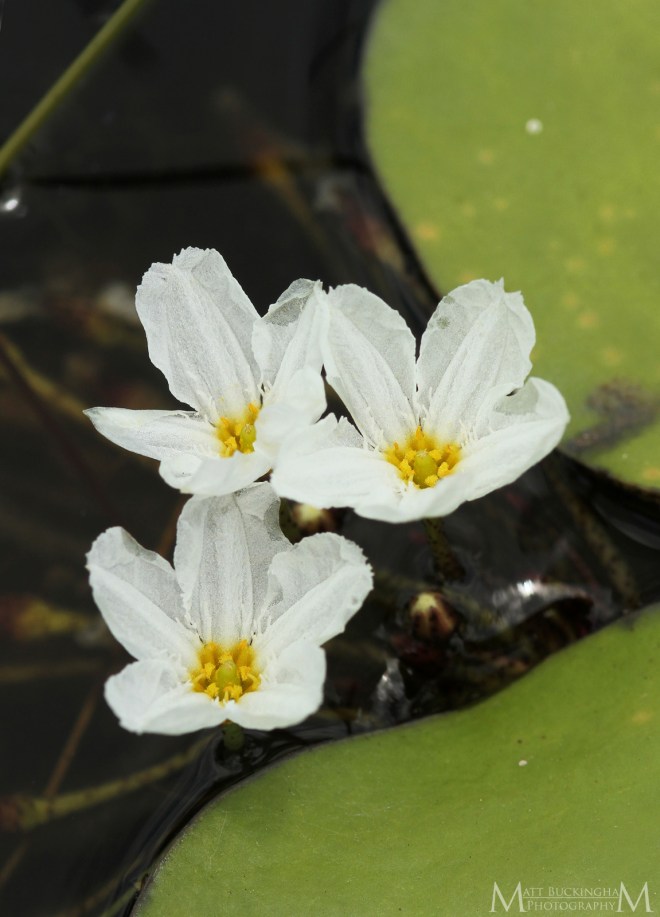
There were several other interesting aquatic species in the flatwoods ponds, but the Floatinghearts (Nymphoides aquatica) really stood out.  It is also commonly known as the Banana Plant for its banana-shaped roots.

IMG_7705

Floatingheart

IMG_7730

Floatingheart

The flatwoods ponds were surrounded by a spectacular series of xeric sandhills occurring on ancient sand deposited by rivers as they changed course over time.  I spent some time exploring these beautiful communities, where I found a number of Eastern Prickly Pears in bloom.

IMG_7618

Eastern Prickly Pear blooms in a xeric sandhill

IMG_7641

Eastern Prickly Pear blooms in a xeric sandhill

I also took a moment to photograph the Pickering’s Dawnflower (Stylisma pickeringii), another species typical of deep sands, as it bloomed among the cacti.

IMG_7635

Pickering’s Dawnflower

As if all of the above wasn’t enough, in the morning Wendy and I observed this Eastern Hognose Snake (Heterodon platirhinos) up to its anti-predator high jinks.  It spread the ribs of the anterior portion of its body creating a hood-like effect similar to that of a cobra.  This behavior has earned it the colloquial name of “spreading adder”.  Occasionally it would feign a strike, but never attempted to actually bite me.  Eastern Hognose Snakes feed primarily on toads, and have specially-adapted pointed fangs that can deflate toads that fill themselves with air in an attempt to make themselves larger to avoid being swallowed.  They also contain a mild venom that likely helps subdue their prey, though it is harmless to humans.

IMG_7169

Eastern Hognose Snake

IMG_7196

Eastern Hognose Snake

IMG_7231

Eastern Hognose Snake

Seeing the Purple Bladderwort and exploring these incredible habitats is an experience I will never forget.  I can’t wait to return in the future to spend more time among the carnivores (large and small) of the Big Thicket.

Another Day, Another Sandhill

Target Species: Centerville Brazos Mint (Brazoria truncata var. pulcherrima)

IMG_7068

Centerville Brazos Mint blooms among other rare plants in a high quality xeric sandhill

My pursuit of the Centerville Brazos Mint (Brazoria truncata var. pulcherrima brought me back to the xeric sandhills, the interesting community where I recently photographed the Smooth Jewelflower.  This time, instead of heading southeast to the Big Thicket, I traveled northeast to the transition zone between the Pineywoods and the Post Oak Savannah.  Here I found a community described by Texas Parks and Wildlife as “East-Central Texas Plains Xeric Sandyland.”

The Centerville Brazos Mint is rare.  The entirety of its range is confined to Texas, and it requires very specific conditions – deep sands with an open overstory.  These communities have declined dramatically since the colonization of Texas, and today very few high quality examples remain.  Fortunately I was able to visit some that likely appear as they did before Texas was settled.  Though they may be rare, where they occur, the Centerville Brazos Mint often thrives, forming carpets of pink over the sand.

Brazoria truncata var. pulcherrima is a member of the mint family (Lamiaceae) that is restricted to a handful of counties in East-Central Texas.  The genus Brazoria is named for the Brazos River, where it was first collected.  There are three species, all of which are endemic to Texas.

IMG_7048

Centerville Brazos Mint

Where the Centerville Brazos Mint grows, other good things are sure to be found.  A suite of rare species occur in these sandhills.  Studies of these communities have found that they contain one of the highest levels of endemism in the Western Gulf Coastal Plain.  The day I visited I found another rare Texas endemic mint blooming in profusion – the Texas Sandmint (Rhododon ciliatus).

IMG_6571

Texas Sandmint

IMG_6543

Texas Sandmint

IMG_7059

Texas Sandmint

I arrived early, and spent most of the day exploring the sandhills.  At around 4:30 pm I began to see flashes of deep pink.  I recognized them as the blooms of the Prairie Fameflower (Phemeranthus rugospermus).  Another rare species, it occurs in the Central U.S. from Minnesota to East-Central Texas.  It has succulent leaves, an adaptation for the drought-like conditions that occur in the deep sands that it prefers.

IMG_6929

Prairie Fameflower

The Prairie Fameflower is so rare that it was once considered for listing under the Endangered Species Act.  It remains endangered on many state lists.  Most of the flowers I saw were a brilliant deep pink.

IMG_7003

Prairie Fameflower

There were a few, however, that were a light, faded pink.  The flowers of Phemeranthus rugospermus open in the late afternoon, and only for a single day.

IMG_6914

Prairie Fameflower

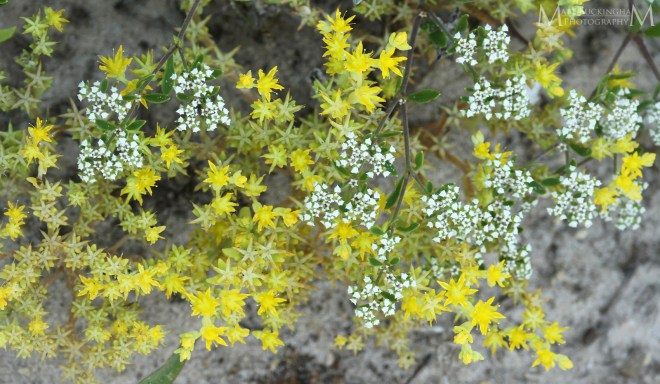
Portions of the sandhill were carpeted by the low, creeping forbs Yellow Stonecrop (Sedum nuttallianum) and Drummond’s Nailwort (Paronychia drummondii).  In some areas the two were growing together.

IMG_6681

Yellow Stonecrop

IMG_6637

Drummond’s Nailwort

IMG_6685

Yellow Stonecrop

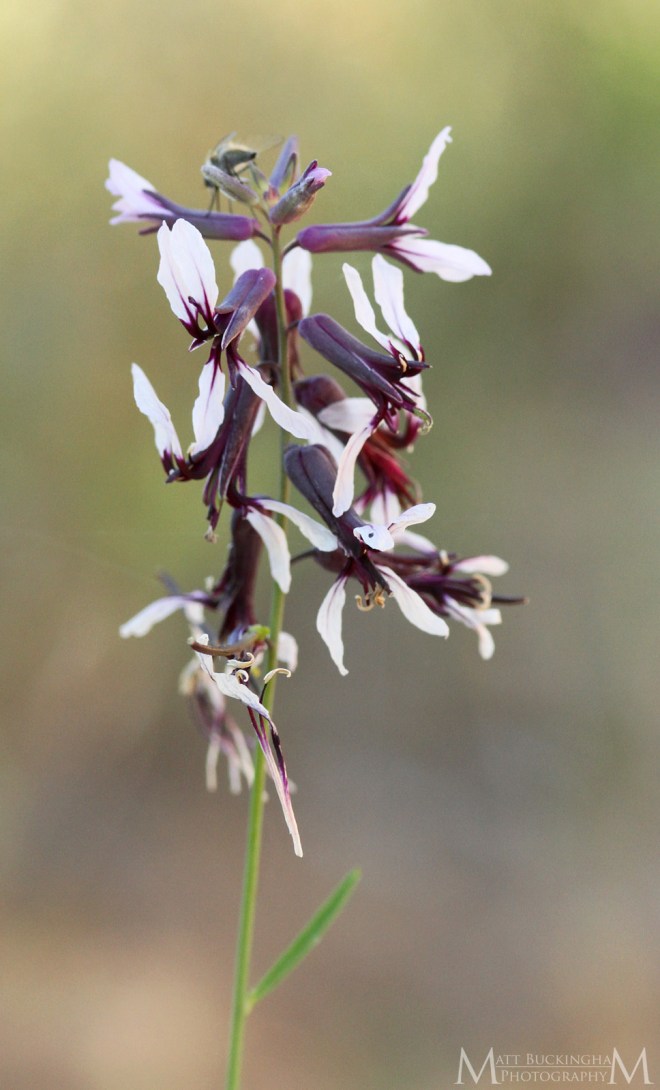
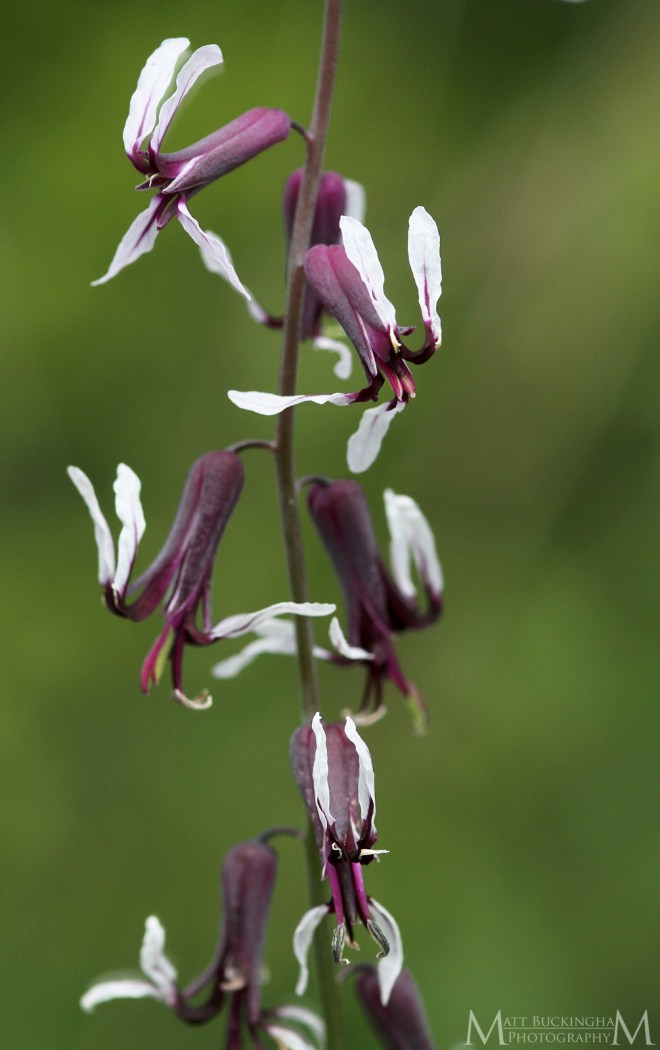
I also saw several Smooth Jewelflowers (Streptanthus hyacinthoides) in bloom.

IMG_6622

Smooth Jewelflower

Prickly Pears were abundant in the deep sands.  The individuals here key to Opuntia cespitosa per the new treatment of the Opuntia humifusa complex by Majure, et al.

IMG_6898

Prickly Pear

IMG_6677

Prickly Pear

These sandhills occur in isolated pockets within a broader band of Post Oak Savannah uplands.  These savannahs were beautiful and diverse in their own right.  Though I didn’t have time to explore them properly during this visit, it gives me something to look forward to on my next visit.

IMG_6767

Butterfly Weed (Asclepias tuberosa) blooms in a Post Oak Savannah


Jewel of the Sandhills

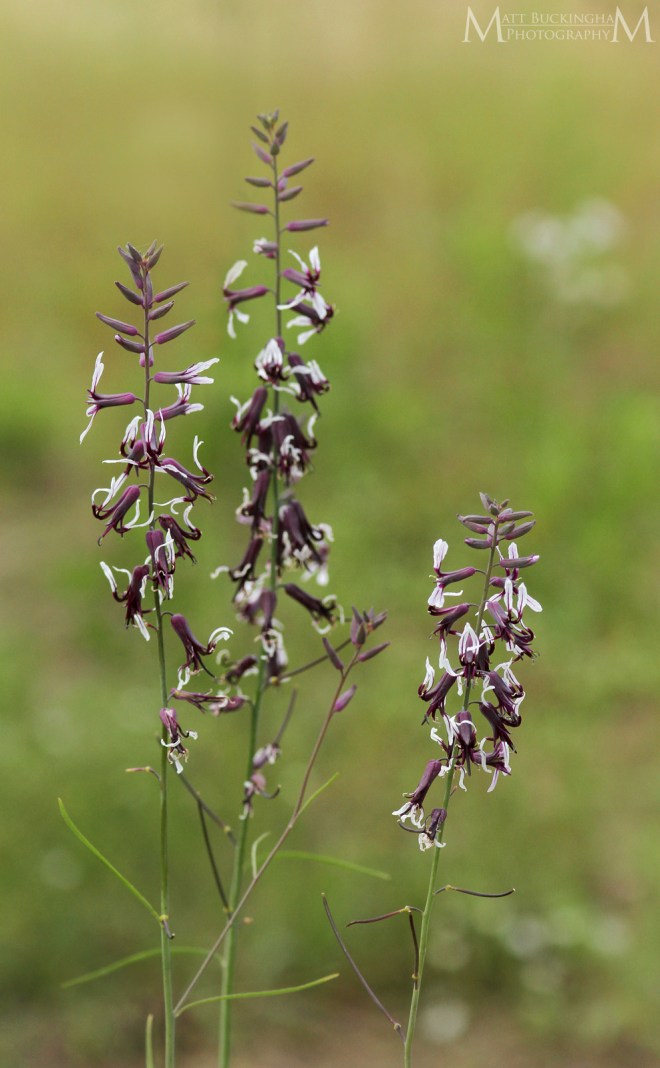
Target Species: Smooth Jewelflower (Streptanthus hyacinthoides)

IMG_5504

Smooth Jewelflower

I have long admired the bizarre blooms of the Smooth Jewelflower, but had not previously sought it out.  Though it may be locally abundant, Streptanthus hyacinthoides is uncommon to rare in Texas.  A species of deep sands, it is most frequently encountered in the northern reaches of the Post Oak Savannah.  Globally it occurs from extreme southern Kansas and central Oklahoma through northeast Texas into northwestern Louisiana.  There are also a couple of disjunct populations in the Pineywoods: in the Big Thicket in Hardin and Newton Counties.

IMG_5464

Smooth Jewelflower

It was here that I sought them out.  In the Pineywoods they occur in xeric sandhills.  In the literature, these unique communities are variably referred to as xeric sandhills, oak-farkleberry sandylands, xeric sandylands, sandhill pine forests, etc.  Here soil conditions inhibit the growth of many species.  The deep, coarse sands here ensure that even in times of high rainfall, the water percolates down through the soil very rapidly.  As a result, xeric sandhills exist with perpetual drought-like conditions, and only drought-adapted species persist.

IMG_5437

Smooth Jewelflower

I was able to locate this population thanks to the help of my botanist friend Eric Keith, and Wendy Ledbetter, the Forest Program Manager of the Nature Conservancy in Texas.  Like so many more of our imperiled species, these rare jewels are protected by the Nature Conservancy.  I found them growing in a series of sandy clearings in a xeric sandhill dominated by Longleaf Pine (Pinus palustris) and Bluejack Oak (Quercus incana).

IMG_5521

Smooth Jewelflower

I found the strange flowers somewhat difficult to capture.  I found them strikingly beautiful in their uniqueness.  Beyond habitat preference, I could find little on the life history of this species while researching my 2017 list.  It seems that there is still much to learn about this peculiar jewel of the sandhills.

IMG_5552

Smooth Jewelflower

Xeric sandhills are also home to a variety of other unique and beautiful flowering plants.  Cacti and yucca, typically considered genera of the southwestern states, thrive here.  Traditionally the cactus species of this region was considered to be Opuntia humifusa, however recent work by Majure, et. al. is challenging that (More on that in a later blog post).  Using their new dichotomous key I keyed this species to Opuntia mesacantha.

IMG_5646

Opuntia cf. humifusa

The beautiful Carolina Larkspur (Delphinium carolinianum) was also blooming in profusion.  I photographed the individual below from different angles, to see how the angle of light changed affected their color.

IMG_5559

Carolina Larkspur

IMG_5567

Carolina Larkspur

We also found the bizarre Large Clammyweed (Polanisia erosa) nearby.  I have heard the blooms described as miniature moose heads.  Large Clammyweed, like many species of xeric sandhills, is endemic to the West Gulf Coastal Plain.

IMG_5101

Large Clammyweed

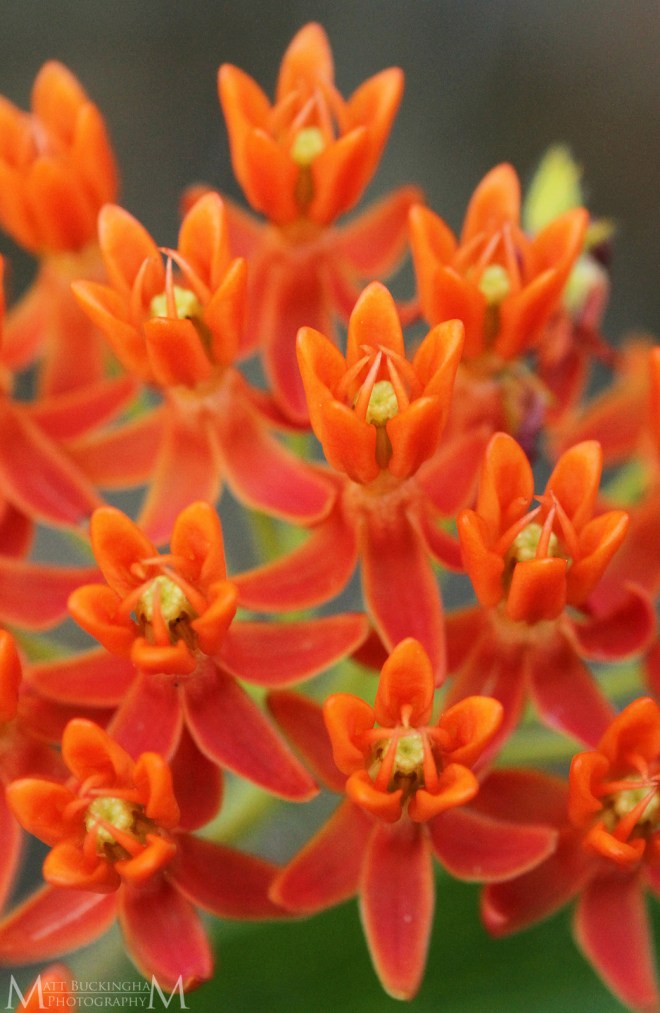
Butterfly Weed (Asclepias tuberosa) was also blooming in profusion.  This striking milkweed is common in sandy habitats throughout much of the United States.

IMG_5581

Butterfly Weed

IMG_5136

Butterfly Weed

Farkleberry (Vaccinium arboreum) is a conspicuous mid and understory component in xeric sandhills.  This blueberries produce edible fruits.  Though they are much smaller and less flavorful than what you might find in your grocery store, they still make for a refreshing treat while wandering across the parched sand.

IMG_5119

Farkleberry

Growing tangled among some of the numerous Farkleberries we found the twining stems of the Netleaf Leather Flower (Clematis reticulatus).

IMG_5532

Netleaf Leather Flower

Xeric sandhills are certainly one of my favorite places to explore.  This post barely scratched the surface of the diverse flora that occurs here, and I didn’t even mention the many rare and interesting animal species that can be found in these deep sands, and I hope to revisit these special places in future blog posts.

IMG_5670

Cacti bloom in a xeric sandhill


Two For One at a Sandstone Outcrop

Target Species: Missouri Foxtail Cactus (Escobaria missouriensis) and Nuttall’s Death Camas (Toxicoscordion nuttallii)

IMG_3271

Missouri Foxtail Cactus

Grimes County sits in an interesting area of Texas, especially for a naturalist.  Here three ecoregions (as defined by Texas Parks and Wildlife) converge: the Pineywoods, the Post Oak Savannah, and the Blackland Prairies.  As one might expect, it is not an abrupt and sudden change from one ecoregion to the next, so what results are certain areas that display characteristics of all three areas.  It certainly makes for an interesting plant community.

In western Grimes County a series of sandstone outcrops of the Oakville formation reach the surface.  These create a stark contrast to the surrounding landscape, resulting in rocky hillsides that exhibit a unique flora.  It was on these remarkable outcrops that I pursued my quarry.

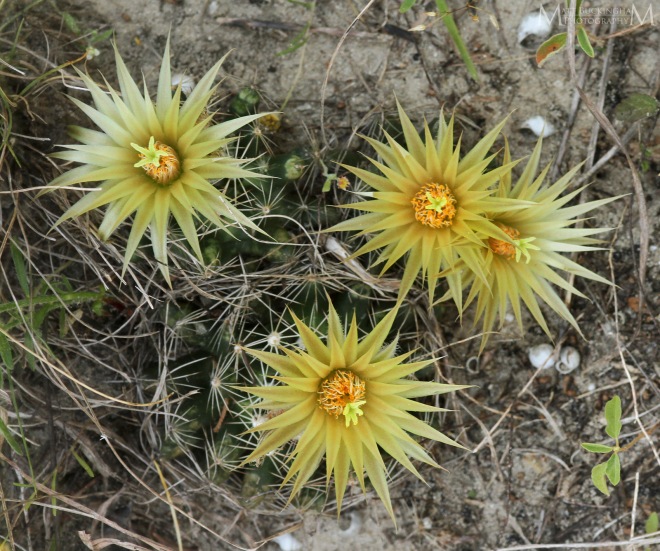
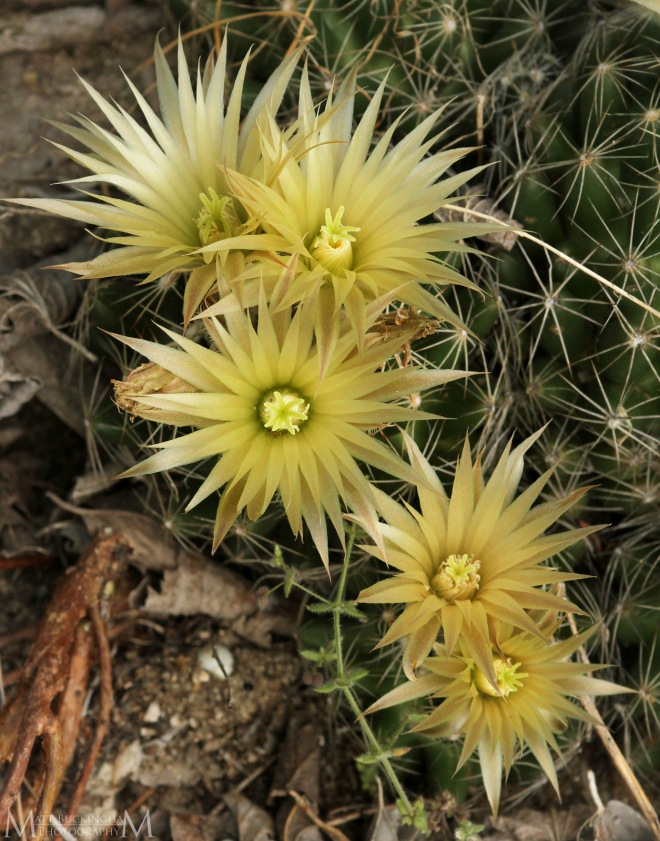
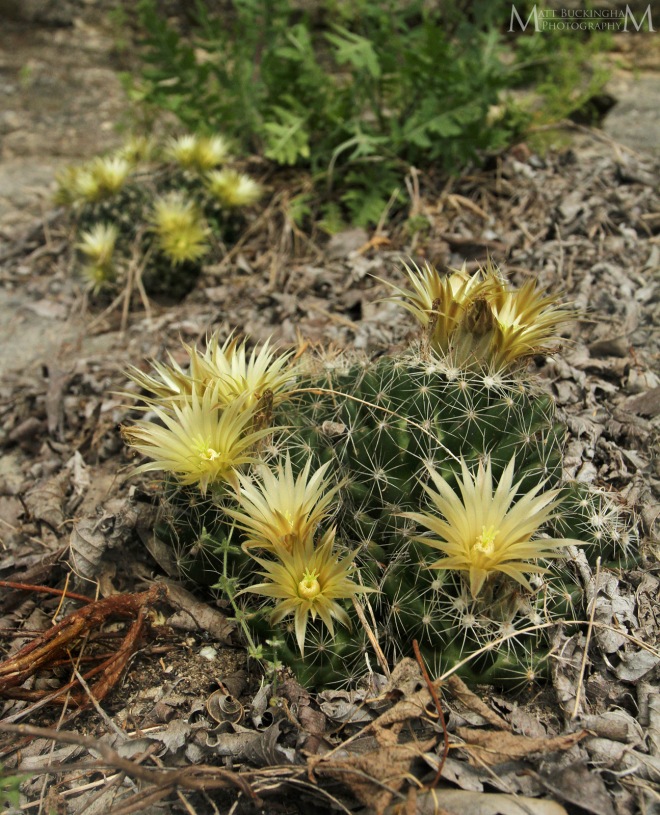
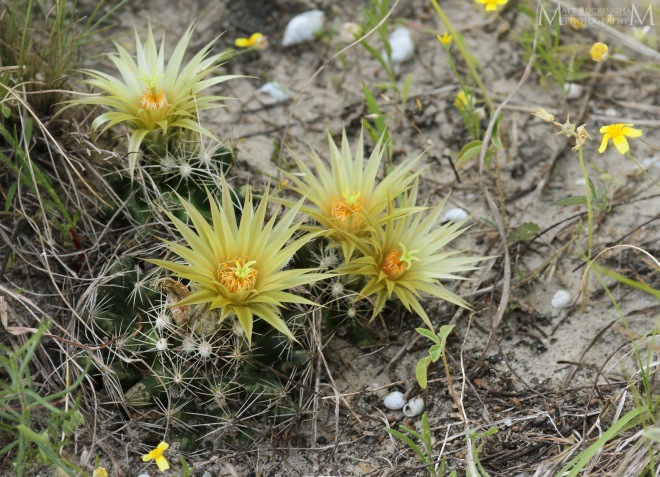
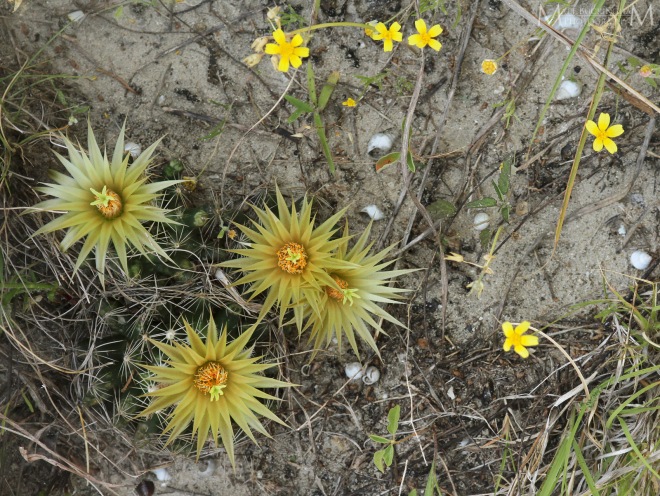
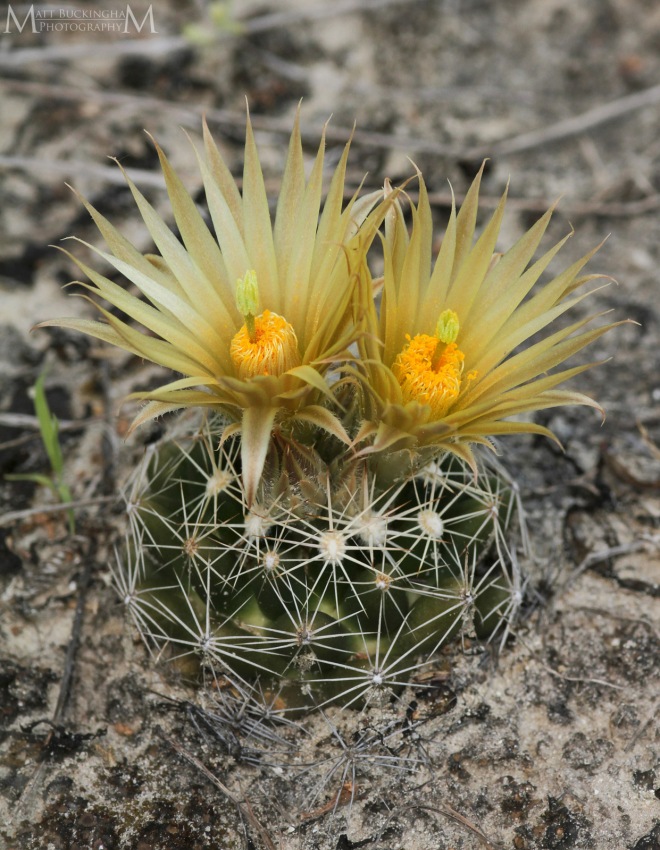
The Missouri Foxtail Cactus (Escobaria missouriensis) is a widespread cactus occurring primarily in the Great Plains and portions of the Intermountain West.  It is a cold-hardy species, reaching as far north as northern Montana and North Dakota.  In Texas it occurs primarily along the eastern edge of the Edward’s Plateau, and outcrops and barrens in the Post Oak Savannah and Blackland Prairies.  On the sandstone outcrops we found them clinging to exposed rocks, and in areas of sandstone and shallow stand over the underlying bedrock.

IMG_3411

Missouri Foxtail Cactus

The stems of E. missouriensis are small, inconspicuous, and difficult to see for most of the year.  They sit barely 2 inches above ground level, and in times of drought, moisture loss may pull them down to be nearly flush with the ground.  The plants remain nearly invisible for most of the year until in the late spring their brilliant blooms betray their presence.

IMG_3384

Missouri Foxtail Cactus

The flowers are generally pale yellow and display various tinging of pinks, greens, and tans.  The flowers tend to open in the early afternoon and close at night.  When we arrived at the first outcrop at around 1 pm, the flowers were still tightly closed, but within an hour most were wide open.  The fruits ripen overwinter, and turn bright red in the spring.  Though we did not observe it, I have read that it is common to find flowering plants with fruit still attached.  Under optimal conditions the flowers may last a few days.

IMG_3277

Missouri Foxtail Cactus

Escobaria missouriensis was formerly included in the genus Coryphantha.  Subtle differences in the seeds, flowers, and tubercles are used to differentiate the genera.

IMG_3262

Missouri Foxtail Cactus

During our visits we saw groupings of various sizes, from single stems to pairs, to clumps of ten or so.  The day provided a wealth of photographic opportunities, and I delighted in moving from cactus to cactus to capture their likeness.

IMG_3232

Missouri Foxtail Cactus

IMG_3241

Missouri Foxtail Cactus

IMG_3376

Missouri Foxtail Cactus

While exploring the most extensive outcrop I came across the fruits of another species on my 2017 list.  I actually saw a large population of Nuttall’s Death Camas (Toxicoscordion nuttallii) in March in the Pineywoods about 30 minutes from my house.  Unfortunately it was behind a fence in a pasture.  I tried to find and contact the landowners but had no luck, and was concerned that I might not get the chance to check this one off my list.  My heart admittedly sank a bit when all of the plants on the sandstone outcrop were in fruit, and appeared to have flowered weeks ago.  Then, in the shade of a Post Oak I found a single plant in bloom.

Nuttall’s Death Camas is primarily a plant of the south-central plains, occuring from Kansas to Arkansas to central Texas.  It is named for its poisonous bulb, which is said to be highly toxic to mammals.

IMG_3357

Nuttall’s Death Camas

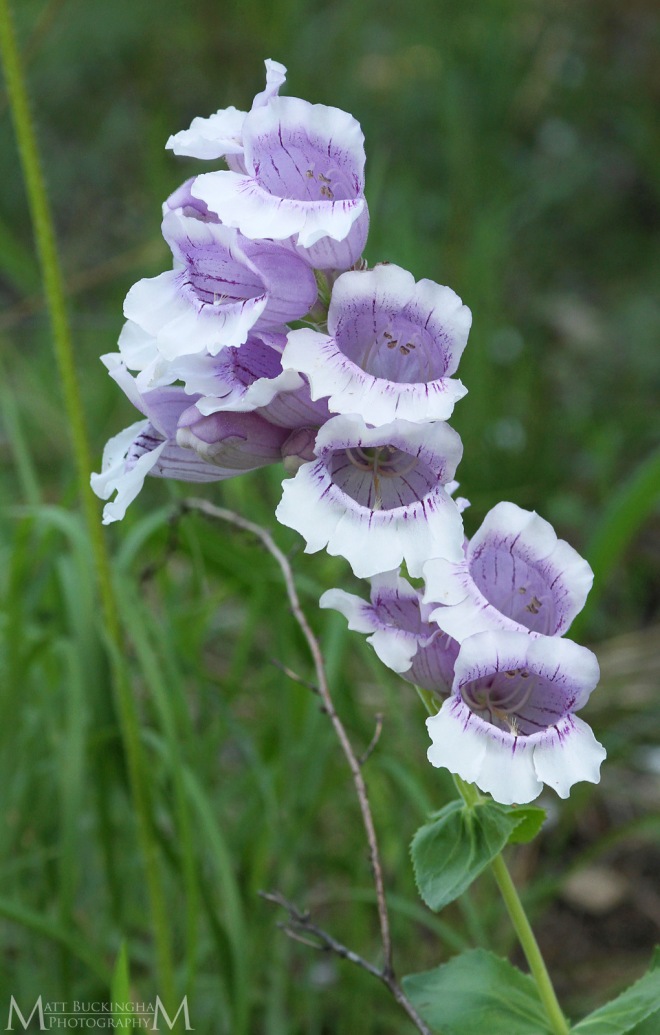
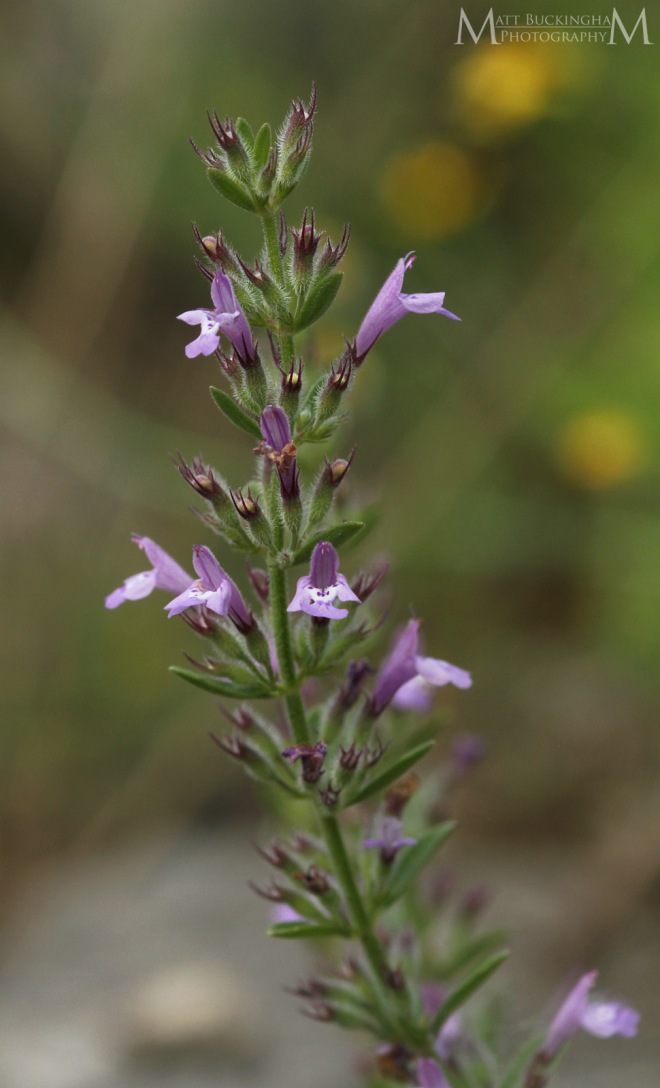
There was also a wealth of other interesting plant species on the outcrops.  We observed Lesquerella gracilis, Calylophus berlandieri, Linum berlandieri, Chaetopappa asteroides, Marshallia caespitosa, Krameria lanceolata, Echinacea atrorubens, and more in bloom.  Unfortunately heavy winds made photographing them a real challenge.  Fortunately I was able to capture some acceptable images of White Milkwort (Polygala alba), Prairie Penstemon (Penstemon cobaea), and Reverchon’s False Pennyroyal (Hedeoma reverchonii).  The latter is restricted to central Texas and a handful of sites in Oklahoma and Arkansas.

IMG_3319

White Milkwort

IMG_3338

Prairie Penstemon

IMG_3461

Reverchon’s False Pennyroyal

There is something really special about exploring unique habitats like this.  Sites that were probably never common on the landscape.  I look forward to returning to this outcrop in the future to see what other treasures may bloom throughout the year.

Spring in the Hill Country

IMG_2151

Giant Spiderwort on a granite outcrop

Three springs ago I was lucky enough to marry the love of my life.  Before and since Carolina and I have shared many adventures in the natural world.  It seemed fitting that we spend our anniversary in these wild places we love so much, so we decided to take a trip to the Texas Hill Country.  It had been years since I spent any time exploring this treasure trove of natural wonders, and Carolina had only previously passed through.  We looked forward to a trip full of searching for rocks, gems, wildflowers, and other wild things.

The rugged Texas Hill Country is part of the Edward’s Plateau, an extensive uplift in central Texas comprised of marine deposit that are 100 million years old or more.  The region is primarily comprised of limestone, however extensive granite outcrops are present in areas.  The variety of substrates harbors an incredible array of plant and animal species, many of which are found nowhere else in the world.  Perhaps no other part of the state is as uniquely Texan as the Hill Country.  The following blog post is a long one that highlights its natural beauty.

IMG_1867

Spring in the Texas Hill Country

We covered a lot of ground during our trip, trying to see as much as we possibly could.  Recent rains had swollen the clear streams of the region.  While hiking we came across this tributary of the Colorado River, which I suspect is normally fairly tame.  We enjoyed a swim in the cool, clear waters below the fall.

IMG_1818

A Hill Country Waterfall

The wild’s of the Hill Country are full of beautiful sights, like this gnarled live oak growing from the top of a massive granite boulder.

IMG_2108

A gnarled live oak takes hold on a granite outcrop

The Texas Bluebonnet (Lupinus texensis) is certainly the most iconic of all Texas wildflowers.  While I can’t deny their beauty, I am usually reluctant to photograph bluebonnets, as they have been so extensively planted that it’s hard to know when one has encountered a truly wild population.  I found this large population in a clearing in an open oak/mesquite savannah far from any roads or developed areas, and am fairly certain it is a native population.

IMG_2095

Texas Bluebonnets

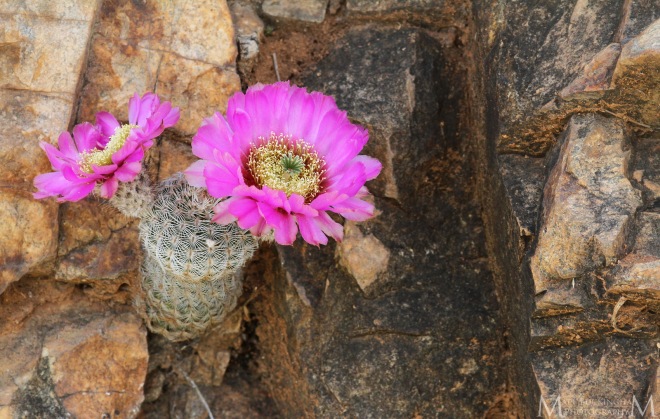
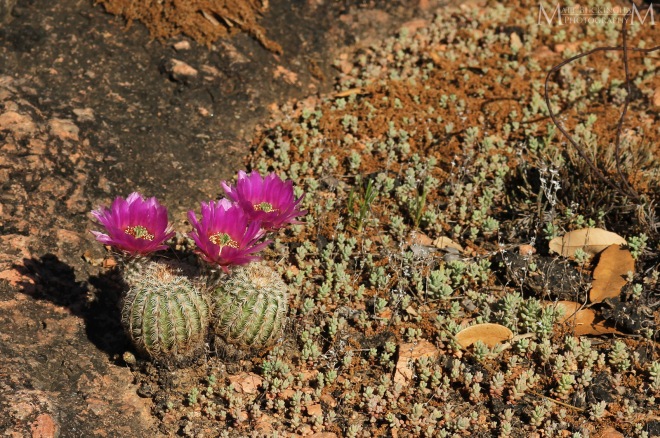
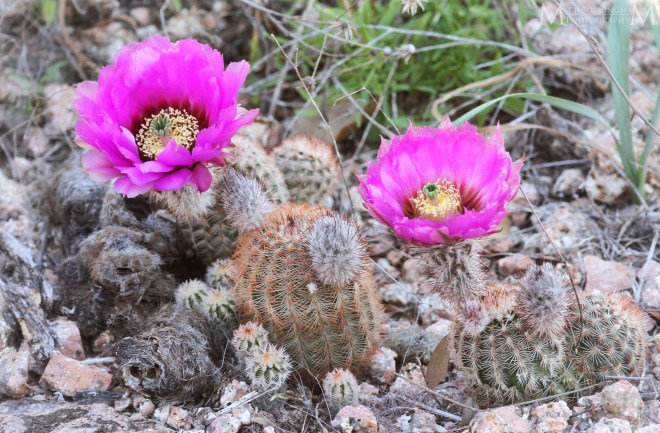
We were lucky that a number of cacti had begun to bloom during our trip.  I posted about the Claret Cup Cactus (Echinocereus coccineus) in my previous blog.  I also mentioned the Lace Cactus (Echinocereus reichenbachii).  The latter deserves mention again here, as we found many in bloom while we were driving back roads in pursuit of Topaz and Celestite.  While we did not find the precious stones, we were rewarded with the brilliant blooms of this spectacular cactus.  The largest, most impressive individuals and groups were on private land well behind fences, however we did find several beautiful individuals within camera range.

IMG_2326

A Lace Cactus clings to a granite outcrop

IMG_2303

Lace Cactus

IMG_2347

Lace Cactus

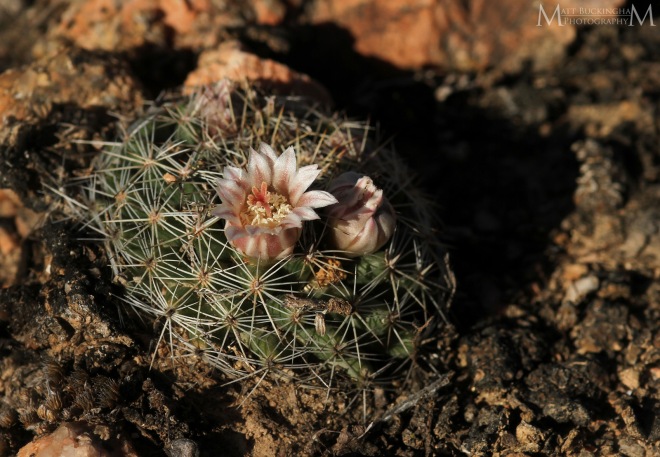
We also found a few Heyder’s Pincushion Cactuses (Mammillaria heyderi), which I had recently photographed in South Texas.

IMG_2362

Heyder’s Pincushion Cactus

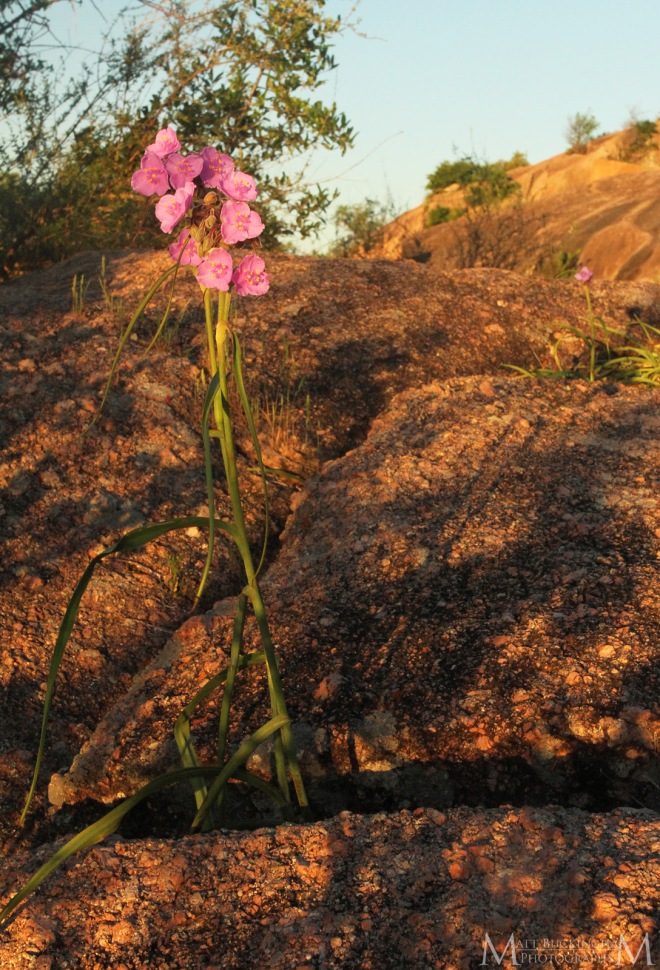
Perhaps one of the most spectacular wildflower displays came from the Giant Spiderwort (Tradescantia gigantea) which seemed to thrive on granite and limestone alike.

IMG_2121

Giant Spiderwort

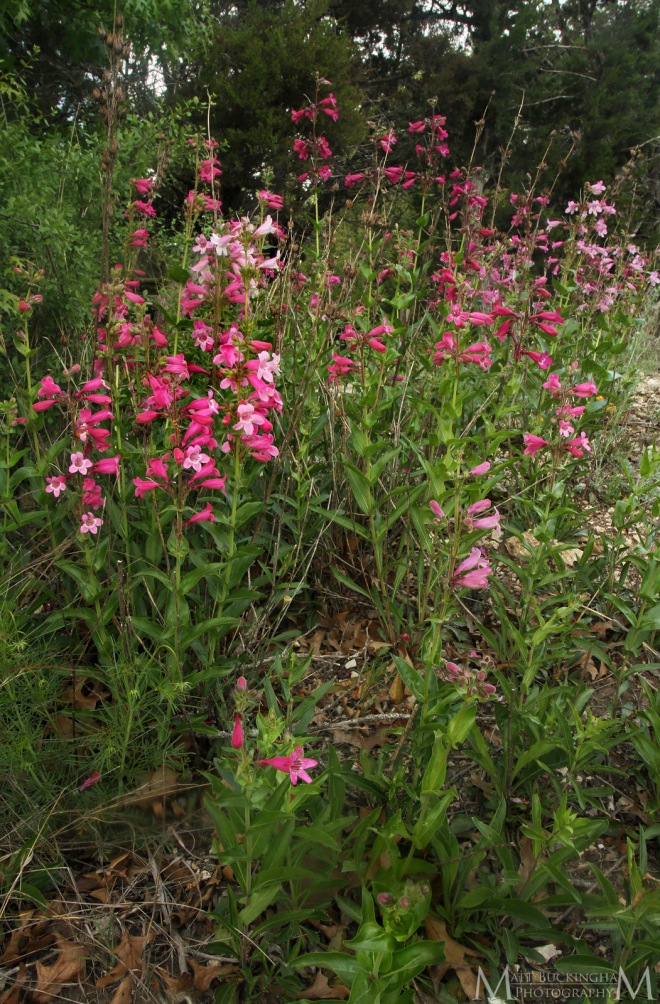
We observed a number of Penstemon species.  The most common and widespread was the Prairie Penstemon (Penstemon cobaea).  It was a treat to see such large, healthy populations of this species, as it is rare in the Pineywoods.

IMG_2423

Prairie Penstemon

We even found a few Prairie Penstemons with a striking lavender wash.

IMG_2009

Prairie Penstemon

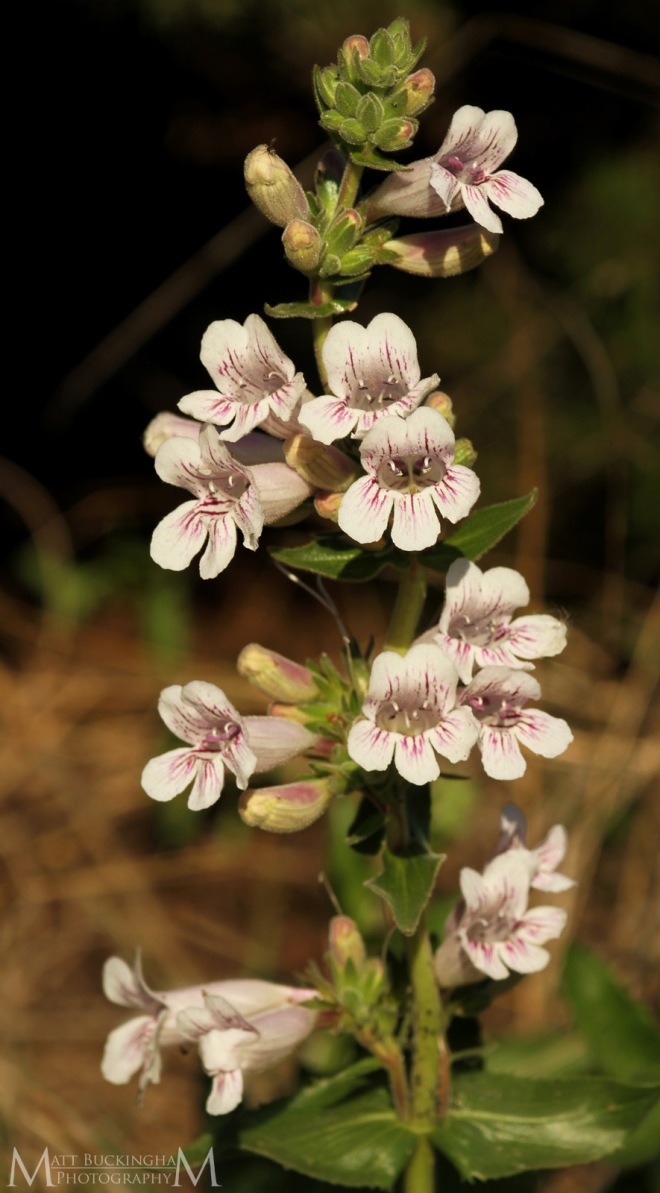
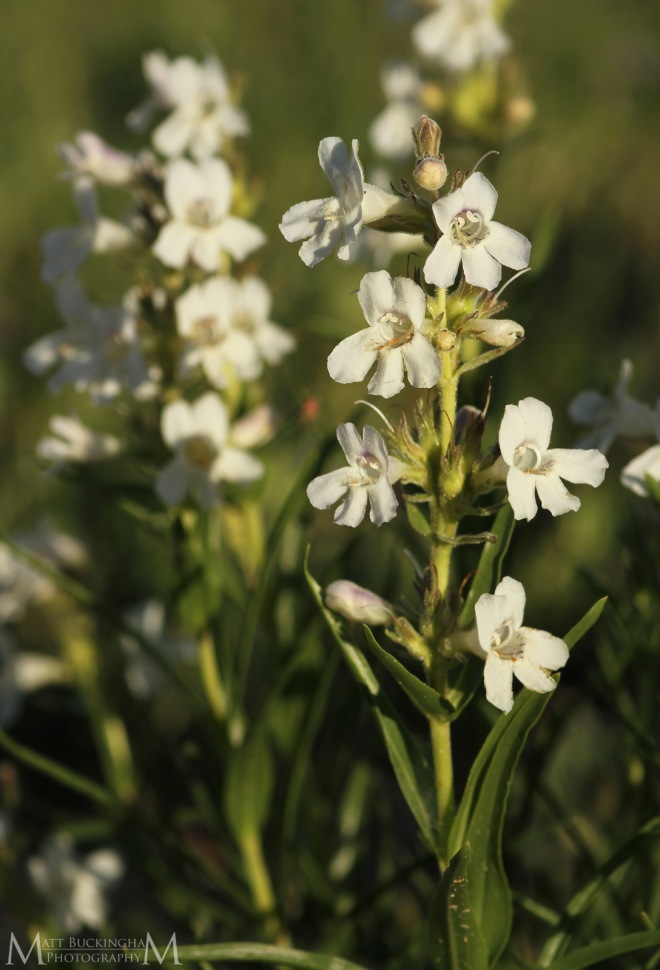
We also found the much less common Guadalupe Penstemon, which is endemic to the Texas Hill Country.

IMG_2399

Guadalupe Penstemon

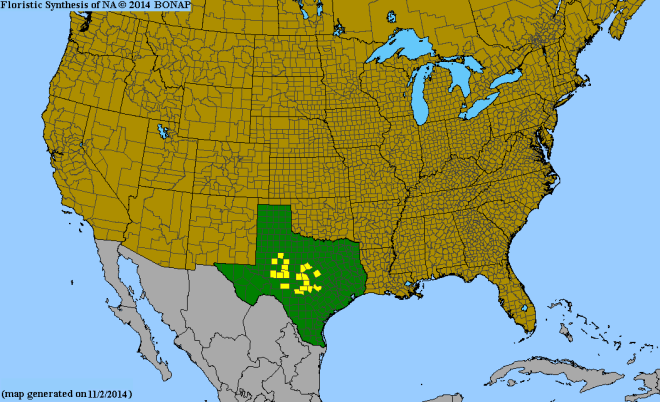
Penstemon guadalupensis

County level distribution for Penstemon guadalupensis from http://www.bonap.org.  Yellow counties indicate that the species is present but rare.

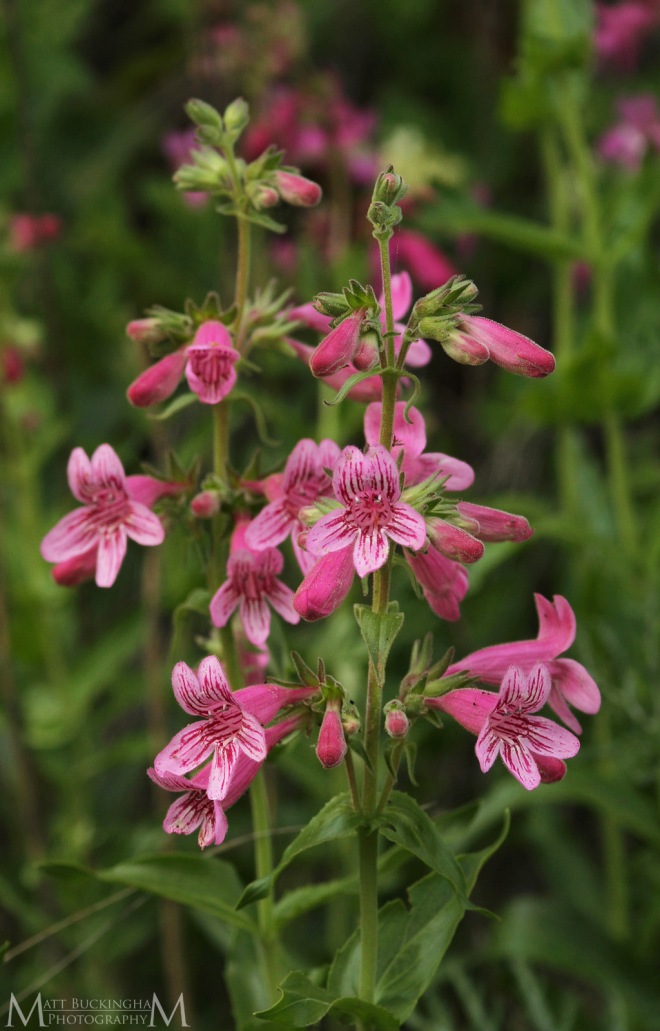
The most spectacular of the Penstemons, however, was the Hill Country Penstemon (Penstemon triflorus), another Edward’s Plateau endemic.

IMG_2645

Hill Country Penstemon

IMG_2634

Hill Country Penstemon

IMG_2650

Hill Country Penstemon

Penstemon triflorus

County-level distribution for Penstemon triflorus from http://www.bonap.org.

The Fringed Bluestar (Amsonia ciliata) was fairly difficult to spot among the grasslands and oak savannahs, despite its bright blue blooms.

IMG_1993

Fringed Bluestar

The Green Milkweed Vine (Matelea reticulata) is native to Texas and northeastern Mexico.  It is easy to see where it gets one of its alternate common names: The Pearl Milkweed Vine.

IMG_2175

Green Milkweed Vine

After spending a couple of nights camping we visited our good friends Scott Wahlberg and Ashley Tubbs in Kerrville.  Scott and I are known for our absurd conversations and hypothetical scenarios.  We are lucky that we have such tolerant women to put up with our shenanigans.  After spending the night at their place, they showed us a beautiful series of canyons that had eroded into the limestone hills.  The Endangered Golden-Cheeked Warbler (Setophaga chrysoparia) serenaded us as we explored its domain.

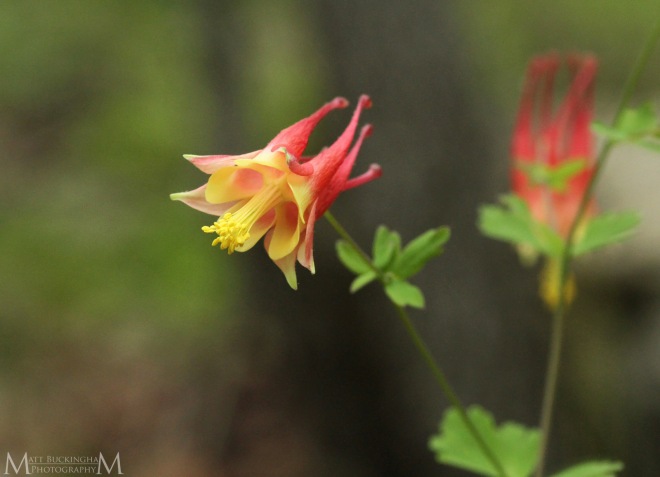
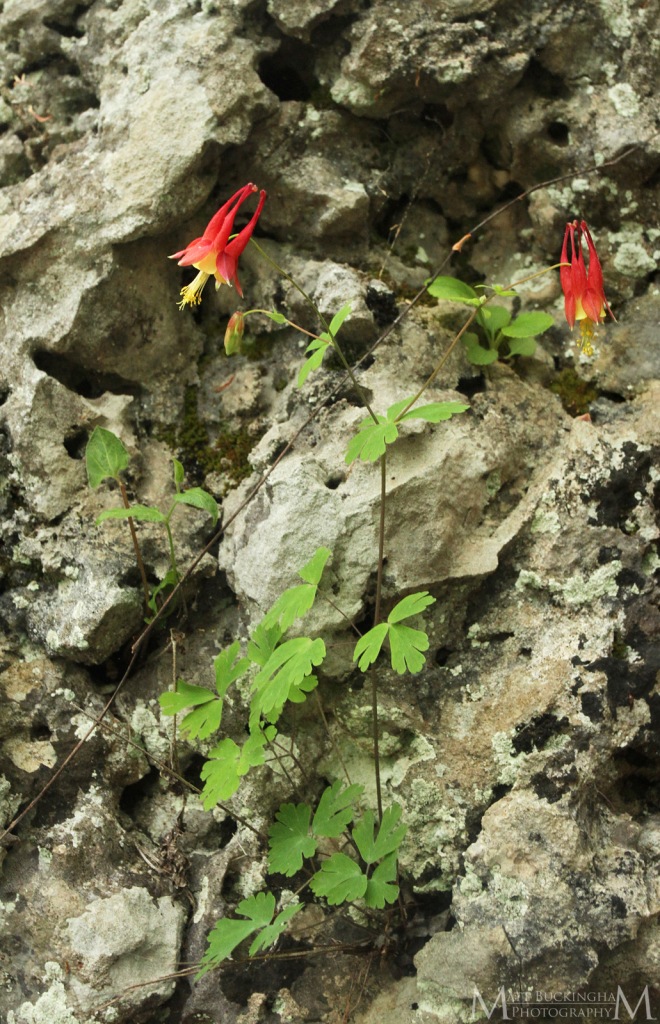
In addition to being rich in endemics, the Texas Hill Country is home to many species typical of the central or Eastern United States that are disjunct from the main portion of their range.  These species generally exist in these cool, moist canyons and are relicts of cooler, wetter times.  Scott has found Western Slimy Salamanders (Plethodon albagula) here.  Luckily I had seen them in the Hill Country before, as we were unable to find any this trip.  We did, however, see several Eastern Red Columbine (Aquilegia canadensis) in bloom.

IMG_2527

Eastern Red Columbine

IMG_2580

Eastern Red Columbine

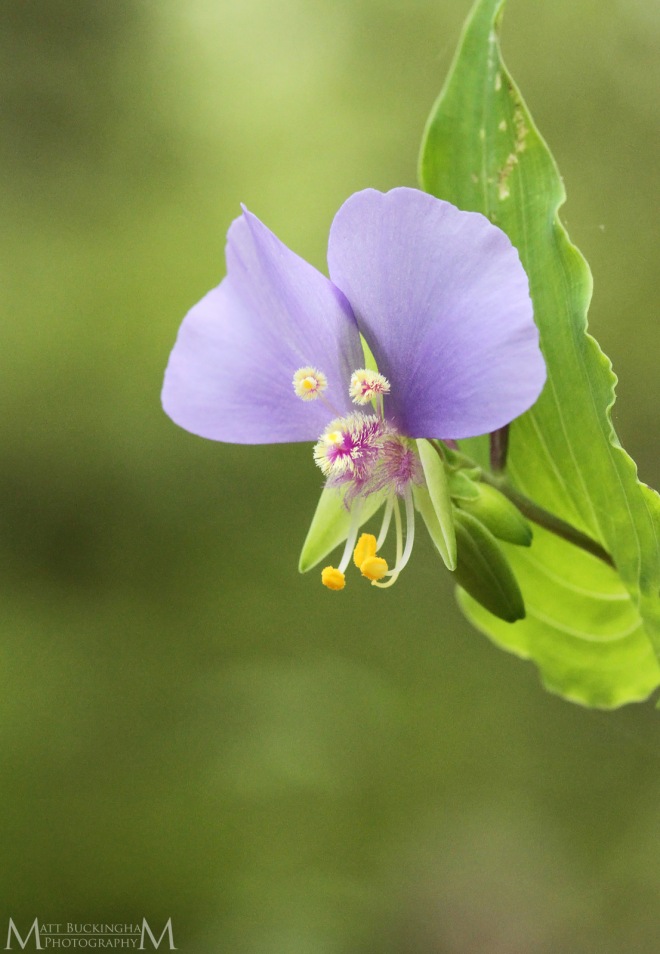
We observed several False Day Flowers (Tinantia anomala) in bloom.  These bizarre blooms reminded me of some alien creature.

IMG_2504

False Day Flower

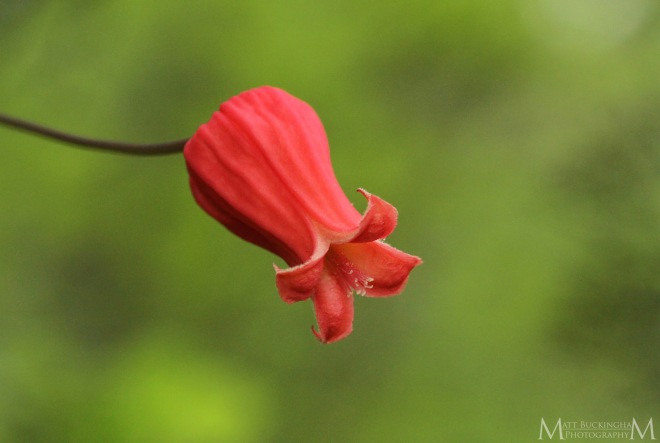
We also found another uncommon endemic growing in these canyons: The Scarlet Clematis (Clematis texensis).

IMG_2570

Scarlet Clematis

Clematis texensis

County-level distribution for Clematis texensis.  Yellow counties indicate that the species is present but rare.

The Texas Madrone (Arbutus xalapensis) is a typical tree of the slopes grading into these canyons.  We were lucky to find a few in bloom.

IMG_2620

Texas Madrone

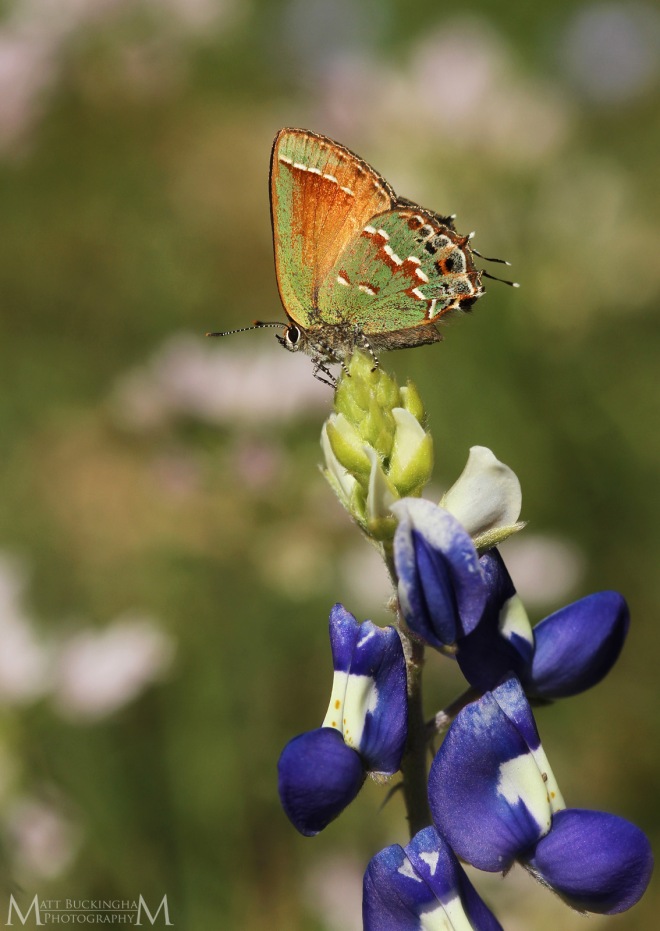
With all of the wildflowers in bloom, the pollinators were out in force as well.  Perhaps the most beautiful, and definitely the most cooperative were the many Juniper Hairstreaks (Callophrys gryneus) that we observed.

IMG_1717

Juniper Hairstreak

IMG_1769

Juniper Hairstreak

As is so often the case for me, as the trip came to an end I was hit with a feeling of sadness.  But it’s hard to be too sad when I was returning to the Pineywoods, where so many interesting species were awaiting me.


Seeking the Claret Cup

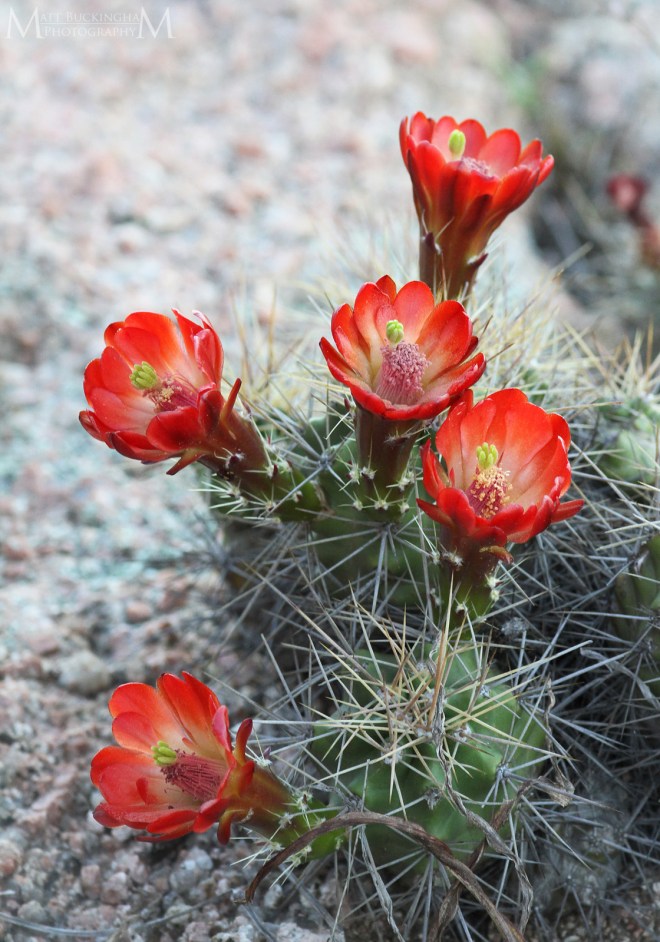
Target Species: Claret Cup Cactus (Echinocereus coccineus)

IMG_2042

Claret Cup Cactus and Fairy Swords

The Claret Cup Cactus (Echinocereus coccineus) is one of the few species on my list that Carolina really wanted to see.  Though she almost always accompanies me on my adventures into the natural world, and her eagle sharp vision usually spots my targets before I do, she is usually just following my lead.  Ironically, I was far more successful at spotting the bright scarlet blooms of this cactus than she was – a significant divergence from the norm.

Also known as the Scarlet Hedgehog Cactus, Echinocereus coccineus is a species of the desert southwest that reaches the eastern edge of its range in the Edward’s Plateau of central Texas.  Carolina and I were thinking about a quick getaway for our Anniversary, and settled on this beautiful region.  We camped at some of the many state parks in the area, and spent our Anniversary rock hounding and plant hunting.

IMG_2073

Claret Cup Cactus Flower Detail

I first saw this species over a decade ago when backpacking in the Hill Country.  It was in bloom among the limestone bluffs northwest of San Antonio.  I had an early point-and-shoot camera with me at the time, and did capture some photos, however I have since wanted to return with my current knowledge and photographic skill set.

IMG_2075

A Claret Cup Cactus takes root in a crevice in a large granite outcrop.

This time we found them blooming among crevices and at the base of large rocks in extensive granite outcrops.  While many species show preference for either limestone or granite, the Claret Cup seems able to thrive in both.  The cacti were often forced to share their preferred growing sites with other plant species seeking a refuge from the inhospitable conditions on the exposed granite.  Most notably was the arid country fern known as Fairy Swords (Cheilanthes lindheimeri).

The flowers of Echinocereus coccineus are unique for a couple of reasons.  Unlike most other members of the genus Echinocereus, whose flowers close at night and reopen in the morning, the flowers of E. coccineus apparently remain open 24-hours a day, lasting a few days.  And while most cacti are pollinated by insects, the Claret Cup is primarily pollinated by hummingbirds.

IMG_2037

Claret Cup Cactus and Fairy Swords

One day I would like to photograph the Claret Cup in the high Chisos of Big Bend National Park, however for now I was thrilled to have the chance to capture them near the eastern edge of their range.  It was a truly incredible thing to see them growing from what little soil was able to develop among a seemingly endless sea of granite.

IMG_2063

Claret Cup Cactus

There were other cacti among the granite as well.  I had really hoped to see a Lace Cactus (Echinocereus reichenbachii) in bloom.  After a few days of finding lots of plants and no blooms, we finally found a few blooms, some within a stone’s throw of the Claret Cups.  Looking at the spines of Lace Cactus, it is easy to see how it earned its name.

IMG_2279

Lace Cactus

IMG_2256

Lace Cactus

Fairy Swords were abundant, seemingly envigorated by recent rains.  The combination of the gray-green ferns and lichen stained boulders was truly beautiful.

IMG_1885

Fairy Swords

In deeper depressions within the granite outcrops where debris was able to collect and deeper soils could form species such as Texas Paintbrush (Castilleja indivisa) and Texas Bluebonnet (Lupinus texensis) were able to take hold and thrive.  While both species are exceedingly abundant, and often planted along roadways throughout much of the state, it was a thrill to see them growing in their natural habitat.

IMG_1857

Texas Paintbrush and Texas Bluebonnets

IMG_1852

Texas Bluebonnets

Another common species of the granite outcrops that was also found growing alongside the Claret Cup Cactus was the Giant Spiderwort (Tradescantia gigantea).  This species really lived up to its name, reaching heights of nearly 3 feet.  This species occurs primarily in the Texas Hill Country, with a few disjunct populations in northeast Texas and parts of Louisiana.

IMG_1912

Giant Spiderwort

IMG_2143

Giant Spiderwort with Claret Cup Cactus in the background

There was more than plants among the outcrops.  We saw many animals including Rock Squirrels (Spermophilus variegatus), Crevice Spiny Lizards (Sceloporus poinsettii), and a Texas Patchnose Snake (Salvadora grahamiae), but as is often the case, I was unable to capture any of these on film.  The scenery alone was worth the trip, however.  There is something magical about these granite monoliths and the flora and fauna that eke out a living around them.  As night fell we laid on flat slab of granite, still warm from the day’s sun, and looked up at the brilliant stars.  We pondered life’s questions, big and small, and reveled in the magic of the Texas Hill Country.

IMG_2138

Hill Country Magic


South Texas Part IV: Star Hunting

IMG_0163

Star Cactus

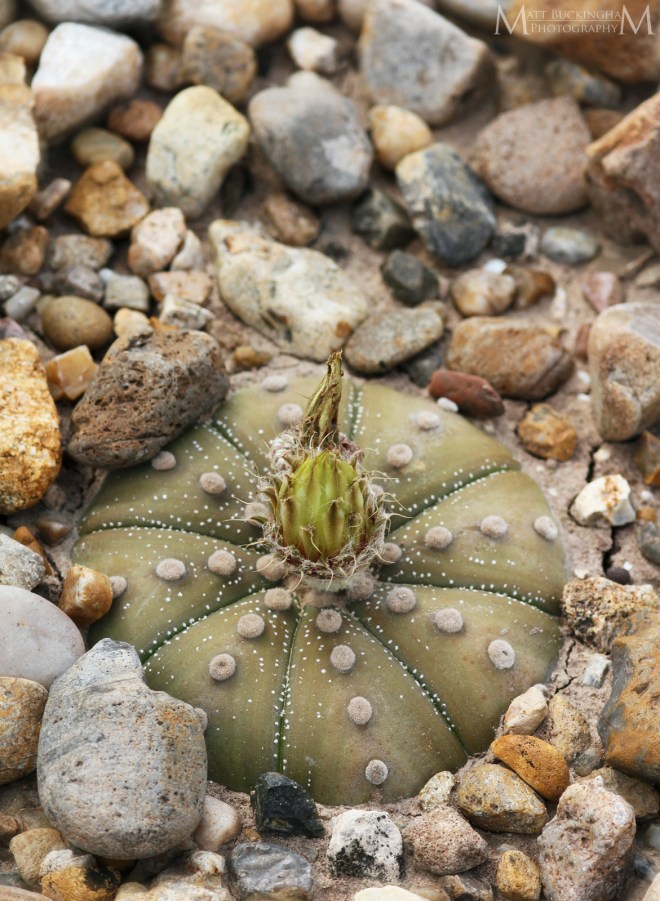
The Star Cactus (Astrophytum asterias) may be the rarest, most unique cactus in the country.  It is known from only a handful of sites in the Tamaulipan thornscrub of extreme southern Texas and northeastern Mexico.  It is so imperiled that it has been listed as Endangered by the U.S. Fish and Wildlife Service.  It is severely threatened by land use conversion and habitat loss.  Fortunately The Nature Conservancy in Texas acquired the property that may have the largest remaining Star Cactus population in the country.  Here they undertake conservation measures and reintroduction efforts to ensure that this iconic cactus remains for generations to come.

I have donated a number of photographs to The Nature Conservancy in the past.  When we decided on traveling to South Texas I reached out to them to see if I could arrange a visit to see and photograph these imperiled cacti.  They graciously approved my request, and we met with volunteer Paul Bryant, who gave us an excellent tour of the property.  Having previously worked for a non-profit land trust similar to the Nature Conservancy, I know how heavily we relied on our volunteers.  I also learned to recognize the good ones, and I had no doubt that Paul was a valuable asset to the Nature Conservancy.

IMG_0204

Star Cactus

Though many were growing in the open, the star cactus was extremely difficult to spot.  When its not flowering, it is inconspicuous, blending in with the scattered rocks covering the gentle slopes where it grows.  Also known as the Sea Urchin Cactus, Sand Dollar Cactus, and False Peyote, it is a spineless cactus that lies relatively flat against the surface in times of drought.  Following rains, however it swells with water and can appear quite plump.  I had hoped to photograph the bright yellow blooms, but it was not to be.  We saw a number of plants that had recently blooms, and others that were preparing to, but we weren’t fortunate to catch any in the act.  That was ok though, it was a wonderful experience just to get to see them in their element.  The plant itself is beautiful, and made for some interesting photographs even without its bloom.

IMG_0335

Star Cactus

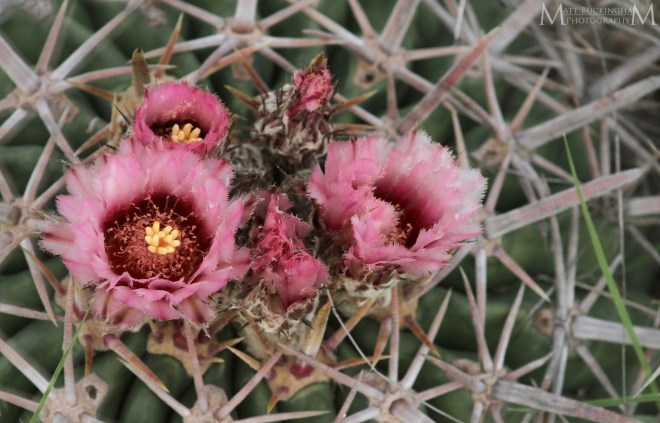
There were several other cacti growing in the vicinity of the Stars.  The most conspicuous was the aptly named Glory of Texas (Thelocactus bicolor).  In Texas this species only occurs in the extreme western and extreme southern portions of the state.  Though the populations are disjunct in Texas, they are more or less connected through Mexico.  We saw many of their bright pink blooms, both in the open and at the base of nurse plants.

IMG_0415

Glory of Texas

IMG_0057

Glory of Texas

IMG_0144

Glory of Texas

We also saw a few of the formidable Horse Cripplers (Echinocactus texensis) in bloom.  Looking at these beasts, its not hard to see how they got their name.

IMG_0348

Horse Crippler

IMG_0353

Horse Crippler

I only saw one Runyon’s Pincushion Cactus (Coryphantha pottsiana) in bloom.  Though not as scarce as the Star Cactus, this species is also rare in Texas, where it is known from only three counties along the Rio Grande.

IMG_0174

Horse Crippler

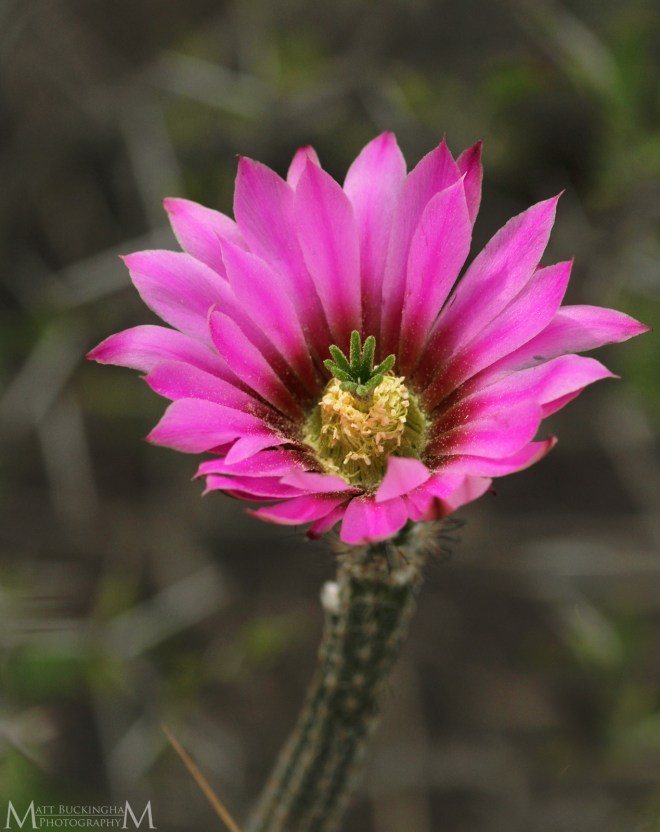
And then there were more Lady Fingers (Echinocereus pentalophus).  Though these proved to be fairly common during the trip I never tired of seeing them, and could not resist every opportunity to photograph them.

IMG_0379

Lady Finger Alicoche

IMG_0230

Lady Finger Alicoche

I found one particularly robust flowering specimen growing among a clump of Varilla (Varilla texana).  I came to learn that where Varilla grows, there are usually other interesting things to be found.

IMG_0294

Lady Finger Alicoche

IMG_0271

Lady Finger Alicoche

We also observed several Strawberries Pitayas (Echinocereus enneacanthus), Fitch’s Hedgehog Cactus (Echinocereus fitchii), Heyder’s Pincushion Cactus (Mammillaria heyderi), and a few Peyote (Lophophora williamsii) on the property, however these weren’t in bloom.  I had hoped to photograph Peyote this trip, but a suitable opportunity did not present itself.

There were plenty of other flowering plants to admire, however.  Perhaps the most striking was the Berlandier’s Nettlespurge (Jatropha cathartica).  It seemed to prefer the same gravelly slopes as the cacti.

IMG_0999

Berlandier’s Nettlespurge

While on my knees looking for Peyote I spotted a group of tiny yet striking blooms.  The Glandular Milkwort (Polygala glandulosa) occurs in only a handful of South Texas Counties.

IMG_0202

Glandular Milkwort

It was hard not to stop and admire the Guayacan (Guaiacum angustifolium), which was blooming throughout the thornscrub.

IMG_9795

Guayacan

After arriving at the property, we split up to scour the area.  Seth soon came to find me.  He had an excited grin and told me that he had something to show me.  He led me to a large Texas Tortoise (Gopherus berlandieri) that had crawled halfway down its burrow.  I wanted so badly to photograph it, but despite waiting for some time, it refused to show its face, and we had to continue our hunt for the Star Cactus.  I was luck enough to photograph another South Texas Treasure, the orb-weaver Argiope blanda.  A. blanda occurs in the United States only in extreme southern Texas.

IMG_0041

Argiope blanda

Though I did not get to photograph the Star Cactus in bloom, it was a day full of natural wonder spent in good company, and I left with a real sense of contentment, both in the things I had seen and photographed, and in the knowledge that organizations like the Nature Conservancy exist to protect our planet’s great biodiversity.


South Texas Part III: The Lady and the Pencil

IMG_0948

Lady Finger Alicoche

Though the Trans Pecos is the center of cacti diversity for Texas, the cactus community of the Tamaulipan thornscrub is no less spectacular.  It includes a number of Mexican species that just barely enter the states in extreme South Texas.  Two species in particular, have been on my bucket list for years now: the Lady Finger Alicoche (Echinocereus pentalophus) and the Pencil Cactus (Echinocereus poselgeri).  I would have included them on my 2017 biodiversity list, however I didn’t anticipate taking a trip to South Texas this year.  So when a march trip to Big Bend fell through, I delighted in the opportunity to finally observe these species in their natural setting.

This is the part of the story where the patience of Carolina, my parents, and my brother really come into play.  They waited patiently while I sought out and photographed these species, and even helped me in my endeavor.  Carolina has a real interest in cacti as well, and she enjoyed seeing so many species in bloom.

IMG_0799

Lady-Finger Alicoche

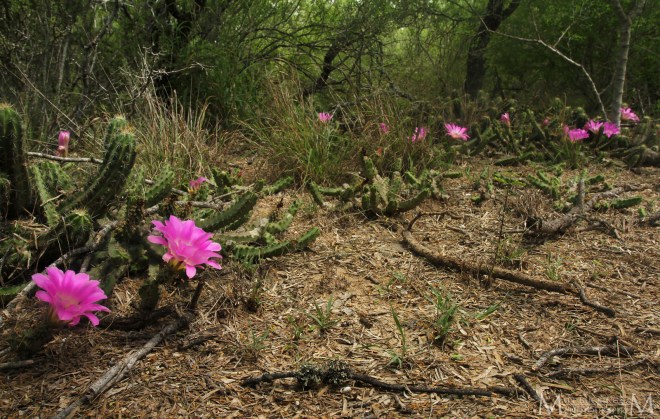
The Alicoche is a cactus of the Tamaulipan thornscrub of northeastern Mexico and South Texas.  It can form large mats under the shade of nurse plants, however its stems are relatively nondescript, and the plant itself is difficult to see when not in bloom.  When it blooms, however, its gives its presence away in spectacular fashion.  The huge pink blooms seem to explore from the thornscrub.  It is easily one of the most spectacular plants I have ever had the good fortune to observe.

Echinocereus pentalophus

County-level distribution of Echinocereus pentalophus from http://www.bonap.org.  Yellow counties indicate that the species is present and rare.

I found the Lady Finger to be an extremely photogenic plant, lending itself both to portraits of the blooms and landscape shots featuring the plant as a foreground element.  We were fortunate to observe many individuals in many different settings throughout the trip.  Spending time with this species was a truly memorable experience that I look forward to repeating some day in the future.

IMG_0766

Lady Finger Alicoche

IMG_0940

Remnant Tamaulipan thornscrub forest with Lady Finger Alicoche in bloom.

Fortunately the Alicoche was fairly easy to find.  That was not the case with the Pencil Cactus.  If the Lady Finger is hard to see when not flowering, the Pencil Cactus is virtually impossible.  Also known as the Sacasil or Dahlia Hedgehog Cactus, the Pencil Cactus has an extremely narrow stem that does not look much different than a stick.  Couple that with their tendency to grow among dense tangles beneath thornscrub shrubs, and you could imagine how hard it would be to pick them out.  When they bloom, however, the light up the thornscrub.

I spent a large part of the trip looking for this species in vain.  I went to sites where others had seen them, and scoured seemingly suitable habitat.  I did not see one until late afternoon on our last day in the valley.  After trudging through the dense thornscrub, cut, tired, and full of spines from allthorn, mesquite, and prickly pears I was ready to give up.  Then, as we were preparing to leave, driving through an undeveloped area adjacent to a small subdivision Carolina shouted “STOP!  The Pencil Cactus!”.  I looked up and saw it.  It’s flower had been nipped off.  Disappointed, I looked around hoping that there might be another in the area, and then I saw it up a steep slope.  I grabbed my camera and scrambled up the slope.  As my shutter clicked I felt a real sense of contentment, both in having found the Pencil Cactus, and that I have such a wonderful family that indulges my passion and obsession for the natural world.

IMG_1146

Pencil Cactus

The range of the Pencil Cactus is virtually the same as that of the Lady Finger.  It seems to be found in slightly denser clumps of brush where its slender, fragile stem can lean on the limbs of nurse plants for support.

Echinocereus poselgeri

County-level distribution for Echinocereus poselgeri from http://www.bonap.org.  Yellow counties indicate that the species is present and rare.

We were lucky enough to observe two other species of Echinocereus in bloom in our pursuit of the Lady and the Pencil.  The Strawberry Pitaya (Echinocereus enneacanthus) was abundant throughout much of the thornscrub.  We were a bit early in the season to see many flowers, but I was lucky enough to spot a few in bloom.  E. enneacanthus is a fairly widespread species throughout much of Mexico and southern and western Texas and New Mexico.  The variety in South Texas is Echinocereus enneacanthus var. brevispinus, identifiable by its short spines.

IMG_1118

Strawberry Pitaya

IMG_1080

Strawberry Pitaya

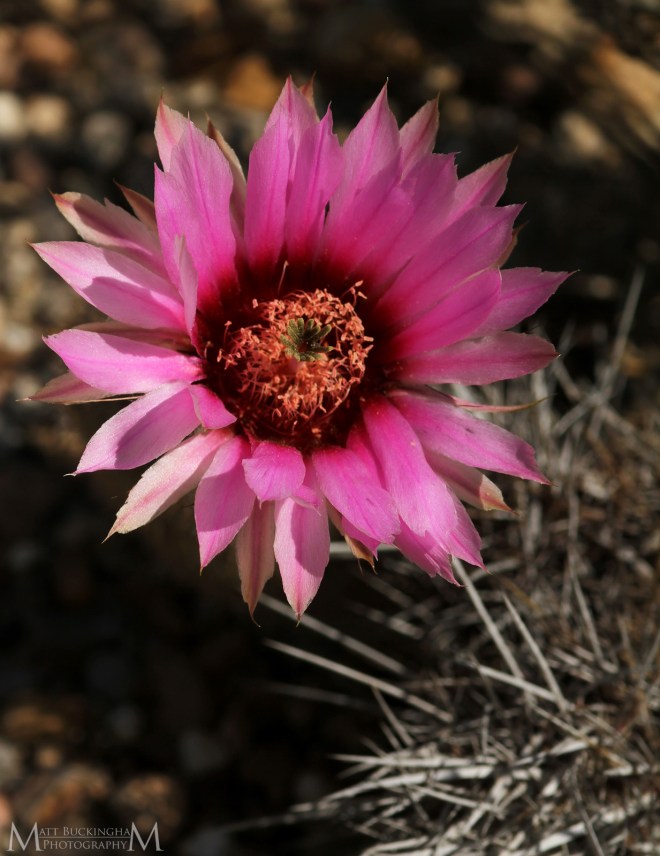
Much less common was the Fitch’s Hedgehog Cactus (Echinocereus fitchii).  E. fitchii was initially, and still is considered by some to be a variety of Echinocereus reichenbachii, the Lace Cactus.  There are significant differences between the two, however, including root structure and spine and flower characteristics.  Most cactus flowers are at their best midday on sunny days.  This makes photographing them a challenge, as shading them often takes away some of the brilliance of their blooms.

IMG_1034

Fitch’s Hedgehog Cactus

IMG_1009

Fitch’s Hedgehog Cactus

Most of the cacti we observed during our trip were on Nature Conservancy property.  I can’t say enough good things about the Nature Conservancy in Texas.  I will discuss the Nature Conservancy and their contributions to conservation in my next blog post, but wanted to mention them here, as one afternoon Seth and I took a hike at one of their South Texas preserves.  We saw more cacti on this hike than the rest of the trip combined.  Echinocereus pentalophus and E. enneacanthus were abundant, as were Texas Prickly Pear (Opuntia lindheimeri) and Dog Cholla (Grusonia schotii).  We also observed Christmas Cholla (Cylindropuntia leptocaulis) and Lower Rio Grande Valley Barrel Cactus (Ferocactus hamatacanthus var. sinuatus), though none were in bloom.  We were, however, fortunate enough to see three other species in bloom: Heyder’s Pincushion Cactus (Mammillaria heyderi), Hair-Covered Cactus (Mammillaria prolifera),  and Twisted-Rib Cactus (Hamatocactus bicolor).

IMG_0916

Heyder’s Pincushion Cactus

IMG_0870

Heyder’s Pincushion Cactus

IMG_0785

Hair-Covered Cactus

IMG_0823

Twisted-Rub Cactus

We also observed several other interesting plants in the thornscrub.  Some of these have been covered in previous blog posts.  Others I didn’t photograph for various reasons.  One of the most interesting was the terrestrial bromeliad Gaupilla (Hechtia glomerata).  We also observed a number of birds typical of the desert southwest, including Pyrrhuloxia (Cardinalis sinuatis), Black-throated Sparrows (Amphispiza bilineata) and Cactus Wrens (Campylorhynchus brunneicapillus).  At one point I flipped over a dried cow patty and found a little Western Narrowmouth Toad (Gastrophryne olivacea) sheltering in some remnant moisture beneath it.

IMG_0983

Western Narrowmouth Toad

Stay tuned for more cactus-seeking adventures in my next blog entry.


South Texas Part II: Into the Thornscrub

IMG_0715

Common Pauraque

Beyond the South Texas coastal dunes, marshes, and prairies lies a unique, biodiverse community dominated by a variety of shrubs and small trees.  Variably referred to as South Texas brush country, mezquital, and Tamaulipan thornscrub, this semi-arid, subtropical community occurs in South Texas and the Mexican states of Tamaulipas, Nuevo Leon, and Coahuila.  It is home to plants and animals found nowhere else on earth, and in South Texas, marks the northern extent of several Latin American species that just barely enter the United States.

IMG_0772

Tamaulipan Thornscrub with blooming Lady Finger Alicoche alongside Strawberry Pitaya.

The Tamaulipan thornscrub in the Rio Grande Valley of South Texas is one of the United State’s premier birding locations.  My parents and I have made a number of birding trips here in the past, drawn in by the promise of catching a glimpse of one of these South Texas specialties.  During this trip the birding was fairly slow, but we did see many of the typical Rio Grande Valley species including Plain Chachalacas (Ortalis vetula), White-tipped Doves (Leptotila verreauxi), Green Jays (Cyanocorax yncas), Long-billed Thrashers (Toxostoma longirostre), Altamira Orioles (Icterus gularis), and Olive Sparrows (Arremonops rufivirgatus).  Unfortunately these species did not present me with any good photo ops.  I did luck out, however, when we found another Valley specialist, the Common Pauraque (Nyctidromus albicollis) roosting alongside a trail.  These members of the nightjar family are nocturnal and rely on their camouflage to roost on the ground during the day.  It was nearly invisible among the dried leaves and sticks littering the earth.  I utilized the dense natural debris to create the window effect seen on the photo at the start of this blog entry.

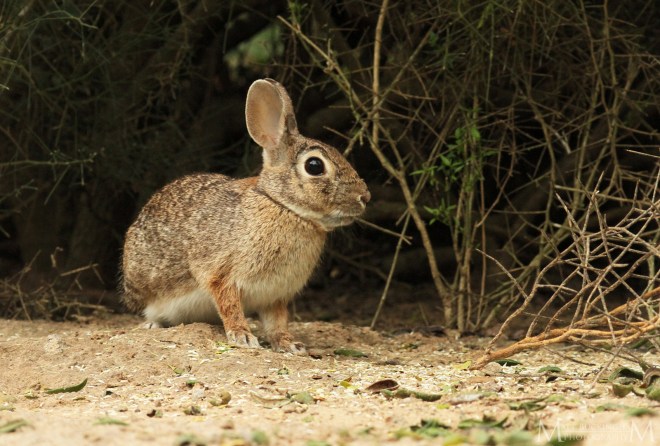
Many mammal species also reach the northern extent of their range in deep South Texas.  Unfortunately many of them are now gone.  The last Jaguar (Panthera onca) in Texas was killed in the Tamaulipan thornscrub in the 1940’s.  There are some that still hold onto hope that there may be a few Jaguarundi left in the Rio Grande Valley.  Though there have been no verified sightings in many years, there have been unverified reports.  Ocelots (Leopardus pardalis) are still hanging on in the brush country, though they are now rare, and protected under the Endangered Species Act.  In our explorations of the thornscrub we observed a number of mammals including White-tailed Deer (Odocoileus virginianus) and Collared Peccaries a.k.a. Javelinas (Tayassu tajacu).  The only mammal I was able to photograph was the little Eastern Cottontail (Sylvilagus floridanus) pictured below.

IMG_9081

Eastern Cottontail

There are many reptile and amphibians whose United States distribution is also limited to the Rio Grande Valley.  Being an amphibian enthusiast, I was disappointed that we missed the heavy rains that brought out such rarities as the Mexican Burrowing Toad (Rhinophrynus dorsalis) and White-lipped Frog (Leptodactylus fragilis) by just a couple of days.  These species are explosive breeders that emerge to breed after heavy rains.  I did spend some time looking for the beautiful Speckled Racer (Drymobius margaritiferus), a primarily Latin American species that is known from only a couple of sites in South Texas.  I struck out on the snakes, but was able to photograph a couple of the areas conspicuous lizards: the Texas Spiny Lizard (Sceloporus olivaceus) and the Rose-bellied Lizard (Sceloporus variabilis).

IMG_9769

Texas Spiny Lizard

IMG_9995

Rose-bellied Lizard

The Rio Grande Valley is also world famous for its butterflies.  While we observed many species, the only one I obtained a decent photo of was the Common Mestra (Mestra amymone).

IMG_9816

Common Mestra

The Tamaulipan thornscrub is named for the typically thorny shrubs and small trees that dominate the community.  Typical species of this community include Mesquite (Prosopis gladulosa), Chaparro (Ziziphus obtusifolia),  Whitebrush (Aloysia gratissima), Texas Paloverde (Parkinsonia texana), Texas goatbush (Castela erecta), Saffron Plum (Sideroxylon celastrinum), Blackbrush Acacia (Vachellia rigidula), Corona de Cristo (Koeberlina spinosa), Guayacan (Guaiacum angustifolium), and Ebano (Ebenopsis ebano).  These shrubs form often impenetrable thickets.  On some sites, particularly as one moves further west in the Rio Grand Valley the shrubs may become more scattered, forming dense clumps with areas of exposed gravel and caliche.  It was in areas such as this where we observed the rare Baretta (Helietta parvifolia).

IMG_9634

Texas Paloverde

IMG_9740

Texas Paloverde

Occasionally growing in the crooks of mature Ebano, a real botanical treasure can be found.  The epiphytic bromeliad Tillandsia baileyi, commonly known as Bailey’s Ball Moss barely enters the United States in South Texas, where it is rare.  It is much more striking than other members of its genus, which includes the familiar Spanish Moss (Tillandsia usneoides).

IMG_9662

Bailey’s Ball Moss

IMG_9700

Bailey’s Ball Moss

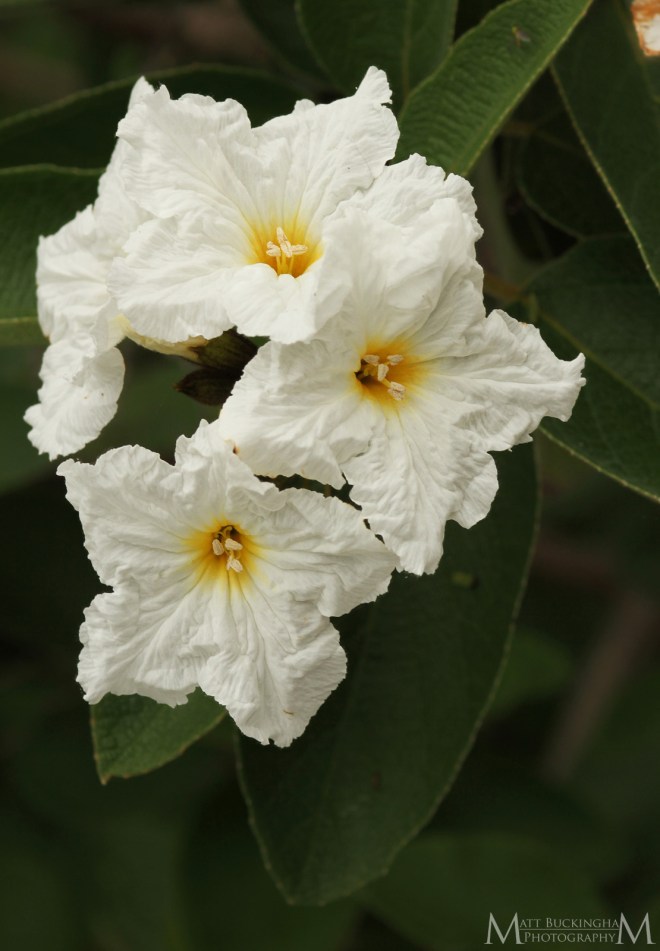
A conspicuous component of the South Texas brush country is the Anacahuita or Mexican Olive (Cordia boissieri).  Its bright blooms illuminate the native brushlands, and it is a popular native ornamental in South Texas.  The tree was reportedly utilized by native cultures and Spanish settlers to make jellies and dyes.  The leaves can be brewed in a tea that may help with rheumatism and various ailments of the lungs.

IMG_9390

Anacahuita

IMG_9405

Anacahuita

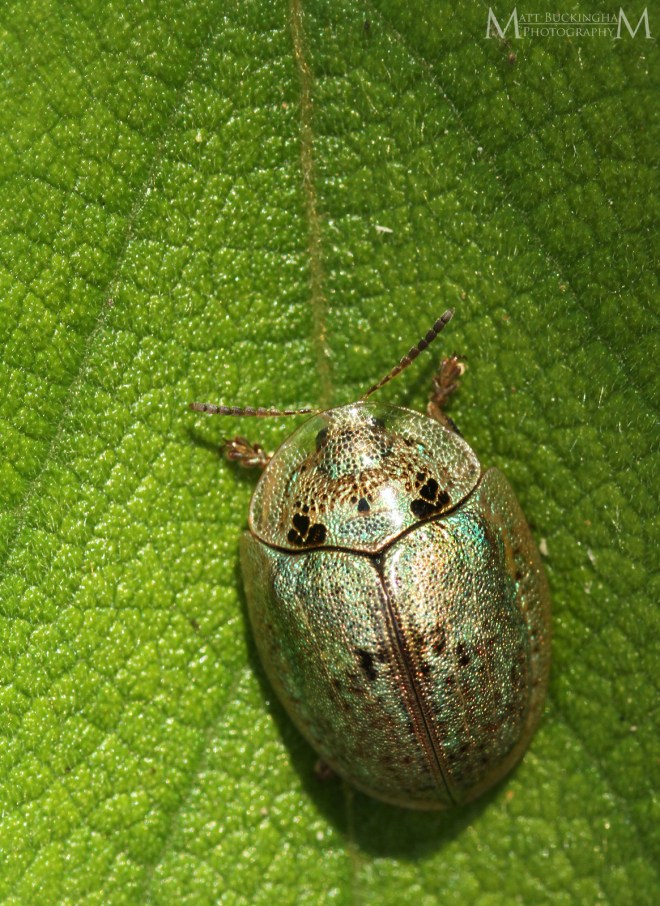
Many invertebrates can be found utilizing Anacahuita leaves and flowers.  The Wild Olive Tortoise Beetle (Physonota alutacea) is found exclusively on these small trees.

IMG_9958

Wild Olive Tortoise Beetle

IMG_9902

Wild Olive Tortoise Beetle

Many pollinators also frequent the blooms.  They due so at their own risk, however, because predators lurk beneath these flowers.  We observed this crab spider (Mecaphesa sp.) awaiting an unsuspecting victim.

IMG_9919

Crab Spider

South Texas is also home to a variety of native lantana species.  Brushland lantana (Lantana achyranthifolia) could occasionally be found scattered about the thornscrub.

IMG_9639

Brushland Lantana

We also observed a couple of species of heliotrope, including the widespread Seaside Heliotrope (Heliotropium curassivicum), and the more range restricted Scorpion Tail (Heliotropium angiospermum) which occurs in South Texas and southern Florida.

IMG_0745

Seaside Heliotrope

IMG_9451

Scorpion Tail

Fiddleleaf Tobacco (Nicotiana repanda), a species of central and southern Texas, was also fairly common.

IMG_9653

Fiddleleaf Tobacco

Shrubby Blue Sage (Salvia ballotiflora) occurs in the U.S. only in southern and western Texas.

IMG_9711

Shrubby Blue Sage

Over the millennia, the meanders of the Rio Grande has slowly changed course, leaving in their wake old depressional oxbow scars.  The scars eventually filled with rainwater and runoff and developed a unique flora.  Known as Resacas these unique wetlands provide habitat for a host of rare plant and animal species.  We observed many Least Grebes (Tachybaptus domincus), another bird species whose U.S. distribution is restricted to South Texas in them.  We also observed the rare Runyon’s Water-Willow (Justicia pacifica) here.

IMG_9842

Runyon’s Water Willow

As one moves further west along the valley, one begins to notice more and more of a desert influence.  I observed many familiar species that I have photographed in West Texas including Snapdragon Vine (Maurandella antirrhiniflora) and Cenizo (Leucophyllum frutescens).  The latter blooms in response to rainfall and humidity.

IMG_1215

Snapdragon Vine

IMG_1255

Cenizo

I observed Purple Groundcherry (Quincula lobata) here.  These showy groundcover primarily occur in the southwestern United States.

IMG_0070

Purple Groundcherry

I also observed Bearded Prairie-Clover (Dalea pogonathera) here.  This member of the pea family is primarily a species of the Chihuahuan Desert.

IMG_0097

Bearded Dalea

South Texas is also home to a few woodsorrel species that do not have the typical “lucky clover” leaf.  Pictured here is Peonyleaf Woodsorrel (Oxalis dichondrifolia).

IMG_0965

Peonyleaf Woodsorrel

The open caliche hills were home to the beautiful Berlandier’s Nettlespurge (Jatropha cathartica), which is restricted to South Texas and adjacent Mexico.

IMG_0316

Berlandier’s Nettlespurge

The most spectacular element of the Tamaulipan thornscrub, however, were the cacti.  These famed succulents were my main target in South Texas, and I was fortunate to observe many species.  Though my next two blog posts will be dedicated to the incredible diversity of South Texas cacti, I have decided to provide a preview of things to come below.

IMG_0760

Lady Finger Alicoche (Echinocereus pentalophus)

IMG_0150

Glory of Texas (Thelocactus bicolor)

IMG_0894

Heyder’s Pincushion Cactus (Mammillaria heyderi)